
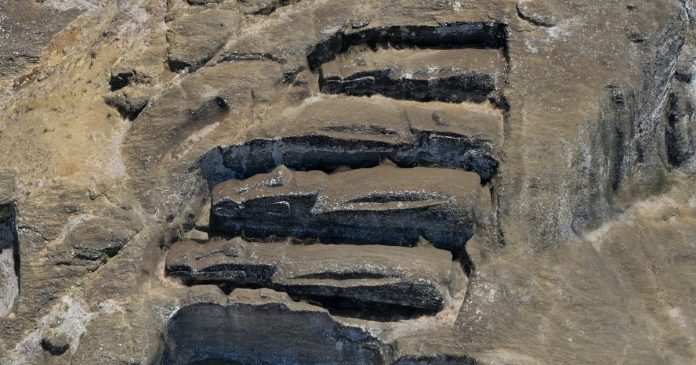
Moai are the iconic statues of Rapa Nui, better known as Easter Island. Which is a small volcanic landmass in the southeastern Pacific. It was formed by three major volcanoes: Poike, Rano Kau, and Terevaka. Nestled within this landscape is Rano Raraku, the quarry that supplied nearly all of the island’s monumental statues. The quarry sits on the pyroclastic cone of Maunga Eo, created hundreds of thousands of years ago when explosive eruptions produced fine volcanic glass fragments known as hyalotuff. This material, softer than basalt yet durable enough to withstand centuries of exposure, became the raw medium for the island’s most iconic creations. Over 95 percent of the more than 1,000 moai were carved from this single source, making Rano Raraku the beating heart of Rapa Nui’s monumental tradition.
The Toolkit of the Carvers
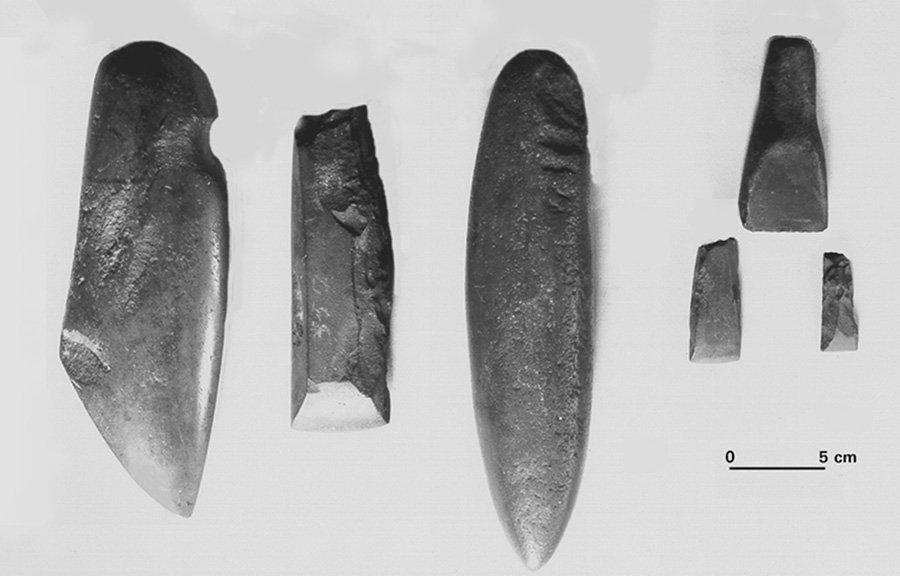
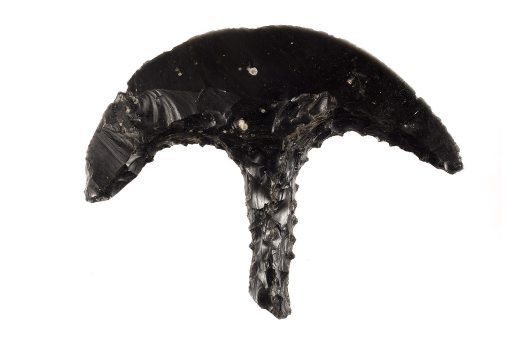
The artisans of Rapa Nui worked with a deceptively simple toolkit. Their primary implements were toki; chisels and adzes fashioned from hard basalt and obsidian. Basalt toki were used for heavy trenching and shaping, while obsidian flakes provided sharp edges for finer detail work. Archaeological surveys have recovered thousands of toki fragments, many showing wear patterns from repeated blows against tuff. These tools were indispensable for cutting trenches, shaping blocks, and refining facial features. Alongside stone tools, carvers relied on ropes, wooden posts, and fiber cords to maneuver statues, with anchor points carved directly into the quarry bedrock. The toolkit was thus both practical and ingenious, combining stone, fiber, and wood to transform volcanic rock into human form.
Quarrying and Carving Methods

The process of carving a moai began with trenching. Carvers cut deep linear grooves into the bedrock to isolate rectangular blocks, creating what archaeologists call “preforms.” From these blocks, statues took shape. The new 3D model of Rano Raraku reveals three distinct carving approaches. In the face‑first method, artisans outlined facial features before shaping the body. In the block method, the entire outline was completed before details were added. A rarer sideways method involved carving directly into vertical cliff faces. Most statues were carved in a supine position, lying flat on their backs, with carvers working from the top down. Unfinished statues still attached to bedrock by a keel along their backs vividly demonstrate this stage, frozen in time for modern researchers to study.
Separation and Engineering Infrastructure
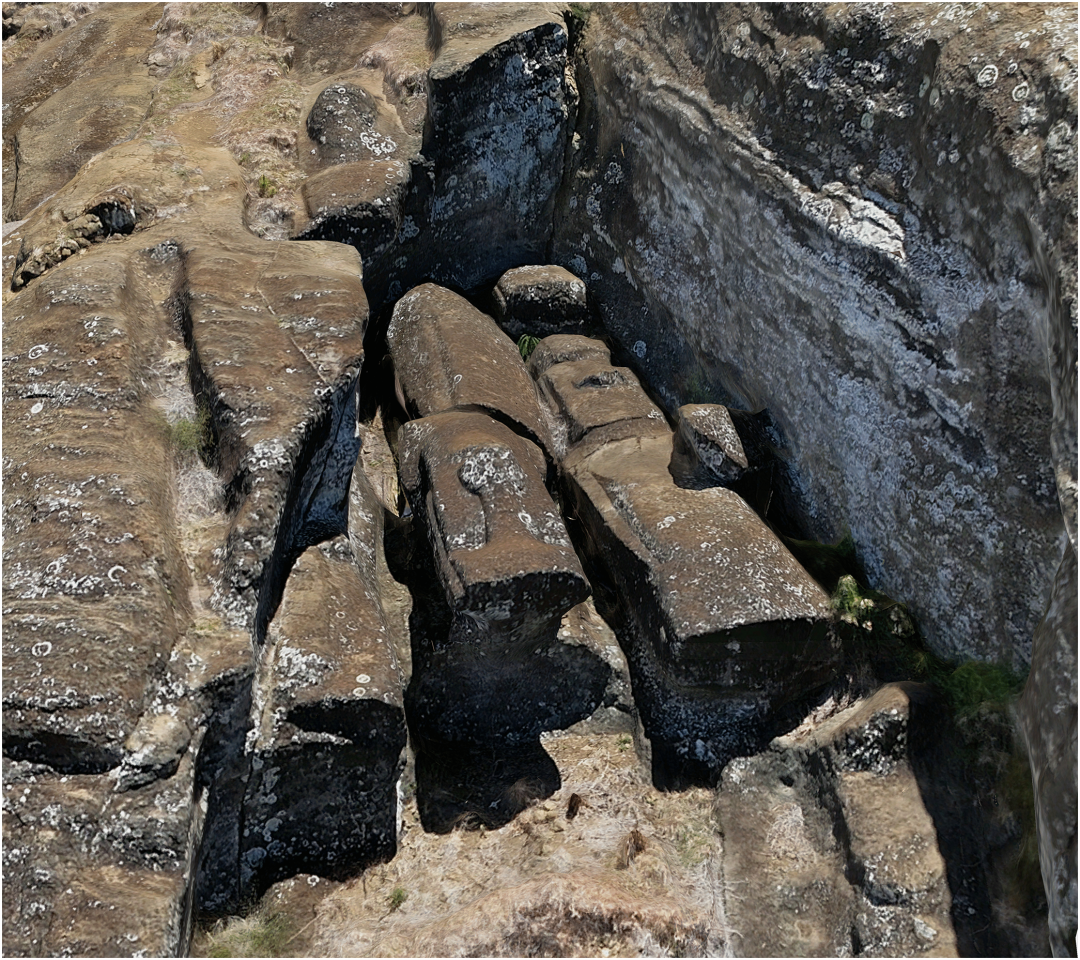
Once statues were nearly complete, the final challenge was separating them from the bedrock. Carvers undercut the figure until only the keel remained, then carefully freed it with chisels. To control the descent, they used bollards and pu (large post holes) carved into the quarry slopes as anchor points for ropes. These systems allowed statues to be lowered safely down steep terrain. The quarry also contained taheta basins carved into bedrock to collect rainwater, sustaining workers during long carving sessions. Evidence of earth ovens and house foundations suggests that carvers lived and worked at the quarry for extended periods, maintaining tools and provisioning crews. The landscape itself became an engineered workspace, designed to support the logistics of production.
Organization of Labor
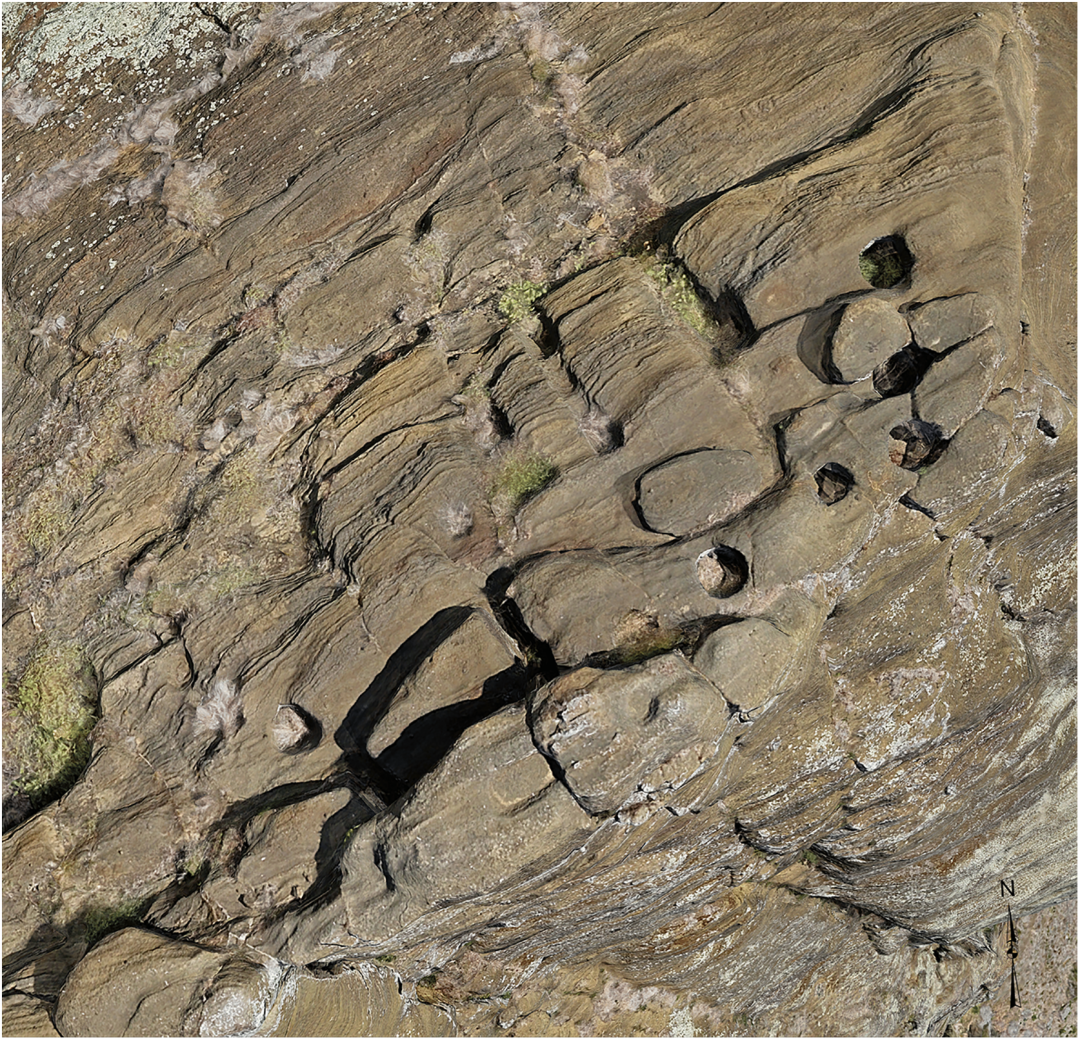
The physical constraints of the quarry limited the number of active carvers who could work on a statue at one time. Archaeologists estimate that four to six artisans could be directly engaged in carving, supported by ten to twenty others who produced tools, ropes, and food. A new study identified 30 distinct workshop foci, each with redundant infrastructure, suggesting that multiple teams operated simultaneously. This scale of labor, according to the study, aligns with kin‑based groups rather than a centralized command. Stylistic variation, such as rare female moai, reflects workshop autonomy. While overall uniformity points to shared cultural conventions. The quarry thus preserves not only the artistry of Rapa Nui’s carvers but also the social organization behind their work.
Transporting the Giants
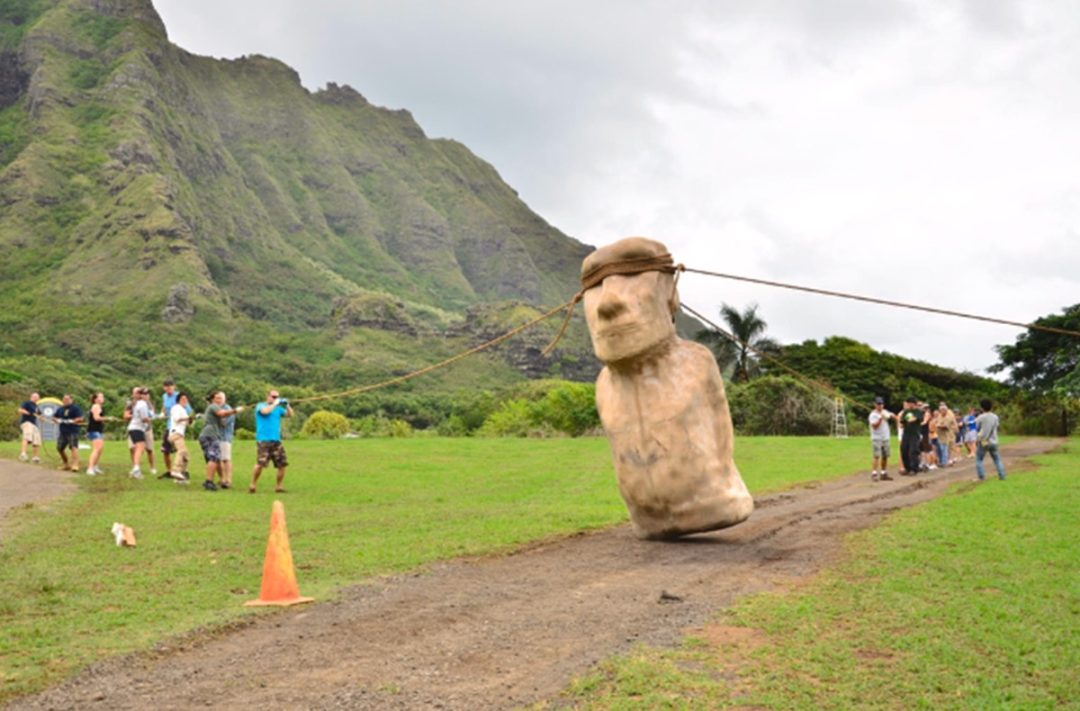
Upon reaching the bottom of the quarry, statues had to be moved across rugged terrain to ceremonial platforms known as ahu. Two main theories address this stage of transport. One experimental archaeological demonstration posited that moai could be “walked” upright with ropes, requiring relatively small teams. In contrast, another hypothesis envisions statues dragged horizontally on wooden sledges or rollers, supported by frames. Both approaches make use of the radiating roads from Rano Raraku, but the evidence does not confirm which method predominated.
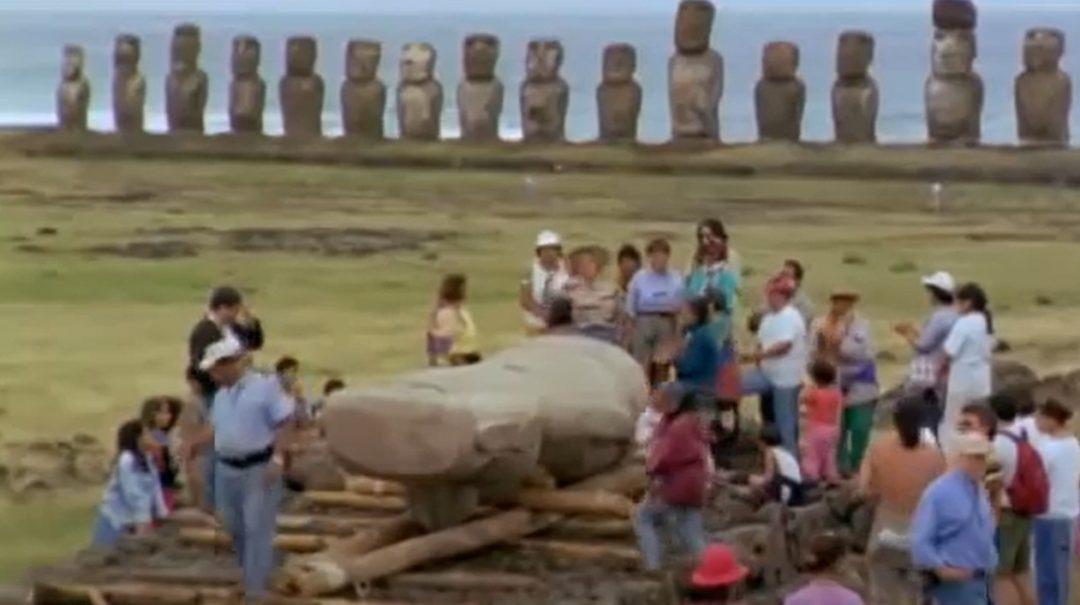
The second challenge was raising the statues onto the ahu themselves. Here, the proposed solutions diverge again. For statues delivered horizontally, earth and stone ramps or rope‑and‑lever systems could have been used to elevate them into position. These methods fit naturally with prone transport, allowing the moai to be slid or lifted onto the platforms. By contrast, if statues arrived upright through “walking,” it is unclear how they were then maneuvered onto the ahu. The logistics of transferring a standing figure onto a raised platform remain especially problematic, leaving this aspect of the process unresolved.
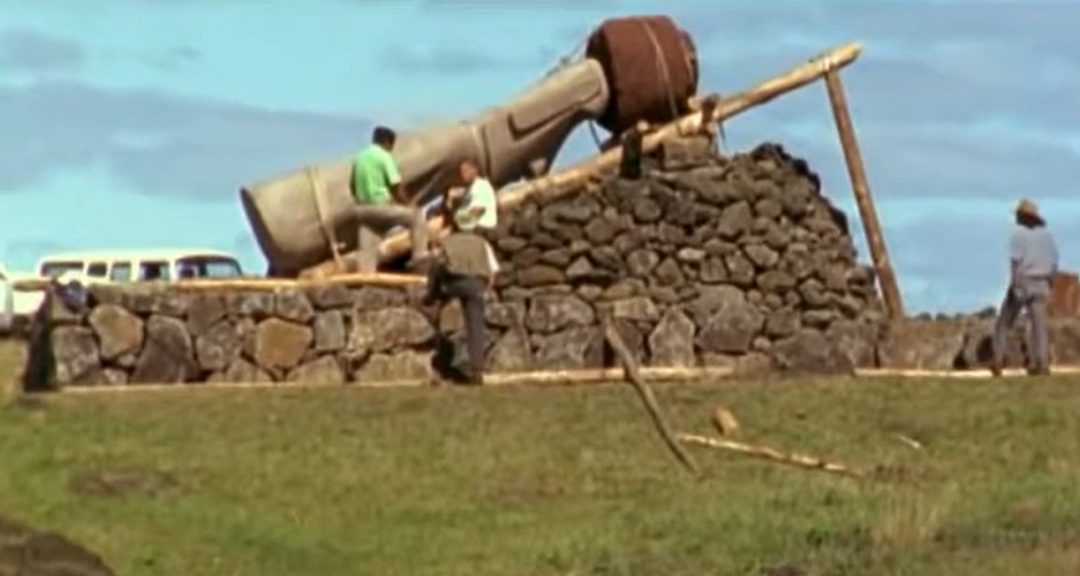
The addition of red scoria hats (pukao) further complicates the picture. These massive cylinders appear to have been moved separately and then lifted onto statues by ramps or pulley systems, adding yet another layer of engineering to the sequence.
From Stone to Symbol
Moai production shows both remarkable consistency and subtle variation. Across the island, statues share standardized features: elongated heads, deep eye sockets, and stylized torsos. This uniformity suggests that knowledge and techniques were widely shared, maintaining cultural cohesion. At the same time, slight differences in carving style and workshop traces point to distinct groupings, likely reflecting the work of different clans.
Conclusion
The journey from volcanic tuff to monumental moai was a complex process that combined geology, stone tools, rope engineering, and social organization. Carvers isolated blocks with basalt and obsidian adzes, shaped statues in supine positions, and freed them from bedrock with careful undercutting. Rope systems anchored to bollards controlled their descent, while small teams prepared them for transport across the island. The quarry landscape preserves the early stage of this workflow, from trenches and unfinished statues to anchor points and water basins.
The new 3D model of Rano Raraku provides unprecedented documentation of these features, confirming that moai production was organized through multiple, redundant workshops. In doing so, it reveals how the people of Rapa Nui transformed volcanic stone into enduring symbols of identity and community, monuments that continue to captivate the world today.
References
- Van Tilburg, Jo Anne. 1994. Easter Island: Archaeology, Ecology and Culture. Smithsonian Institution Press.
- Diamond, Jared. 1997. Guns, Germs, and Steel. W.W. Norton & Company.
- NOVA/PBS. 2004. Secrets of Lost Empires: Easter Island. NOVA documentary and companion study.
- Simpson, D.F., Jo Anne Van Tilburg, & Laure Dussubieux. 2018. Toki (Adze) and Pick Production During Peak Moai Manufacture.
- Simpson, D.F., Marshall I. Weisler, E.J. St Pierre, Y. Feng, & R. Bolhar. 2018. The Archaeological Documentation and Geochemistry of the Rua Tokitoki Adze Quarry and the Poike Fine-Grain Basalt Source.
- Lipo, C.P., Hunt, T.L., Pakarati, G., Pingel, T., Simmons, N., Heard, K., Shipley, L., Keller, C., & Omilanowski, C. 2025. Megalithic Statue (Moai) Production on Rapa Nui (Easter Island, Chile). PLOS One, 20 (11): e0336251.
- Lipo, C.P., & Hunt, T.L. 2025. The Walking Moai Hypothesis: Archaeological Evidence, Experimental Validation, and Response to Critics. Journal of Archaeological Science 183: 106383.
For more insights on ancient techniques read here
