

Norse voyages to the Americas and the importation of timber formed a practical foundation for the survival of the Greenland colonies. Analyses of timber from five Norse farmsteads in western Greenland show that the settlers relied on Europe, on driftwood, and on direct contact with the forests of northeastern North America. The study examined material from four medium sized farms and one episcopal manor, all occupied between the years 1,000-1,400 CE. The 2023 report confirms that hemlock and Jack pine were present in the Greenlandic samples, and these species did not grow anywhere in Northern Europe during that period. Their presence demonstrates that Norse ships reached the wooded coasts of North America and returned with timber.
A Colony Built in a Landscape Without Timber
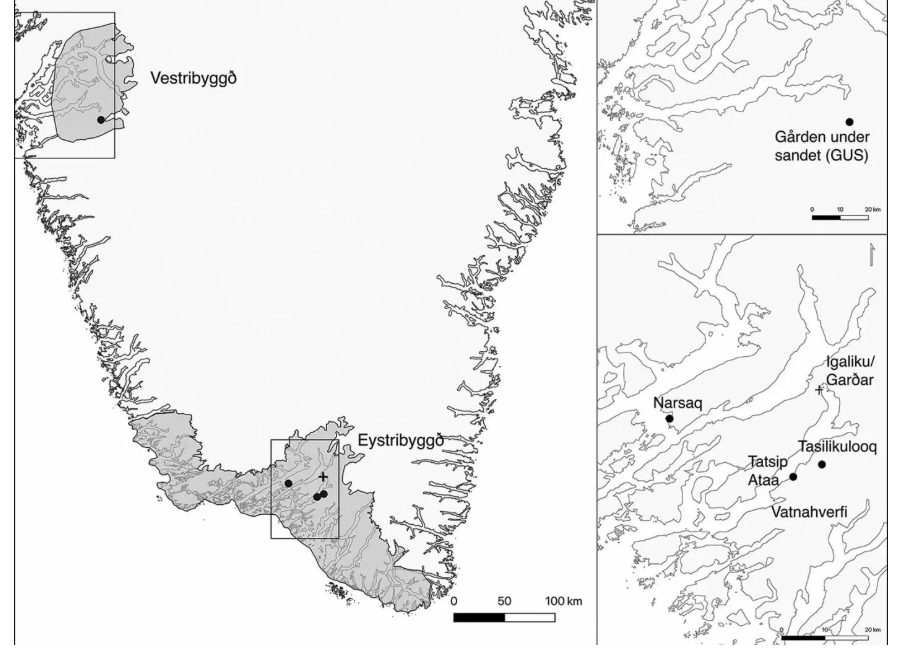
The Greenland settlements lived in an environment with almost no usable trees. Local birch and willow were small and unsuitable for most construction. The sites examined in the study were dated through radiocarbon analysis and associated artifacts. The scarcity of wood forced the settlers to depend on a mixture of imported material, driftwood, and long-distance voyages. Driftwood made up more than half of the total assemblage. It arrived on Greenland’s shores after long journeys through Arctic currents. European wood also reached the colony. Oak, beech, and Scots pine appear in the samples and likely arrived as parts of imported goods or as timbers from ships that were dismantled and reused.
Evidence for North American Timber
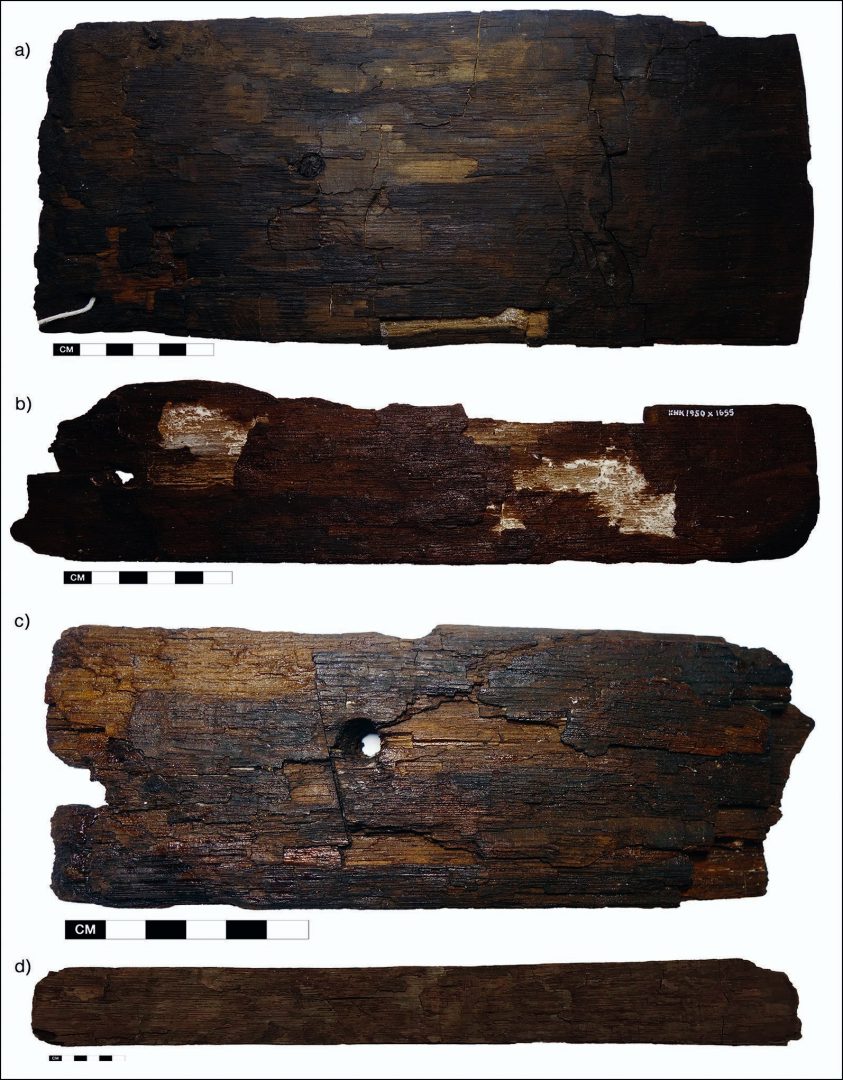
The most decisive evidence comes from the presence of hemlock and Jack pine. These species did not exist in Northern Europe during the early second millennium. The study states that their appearance in Greenlandic contexts means they originated on the east coast of North America.
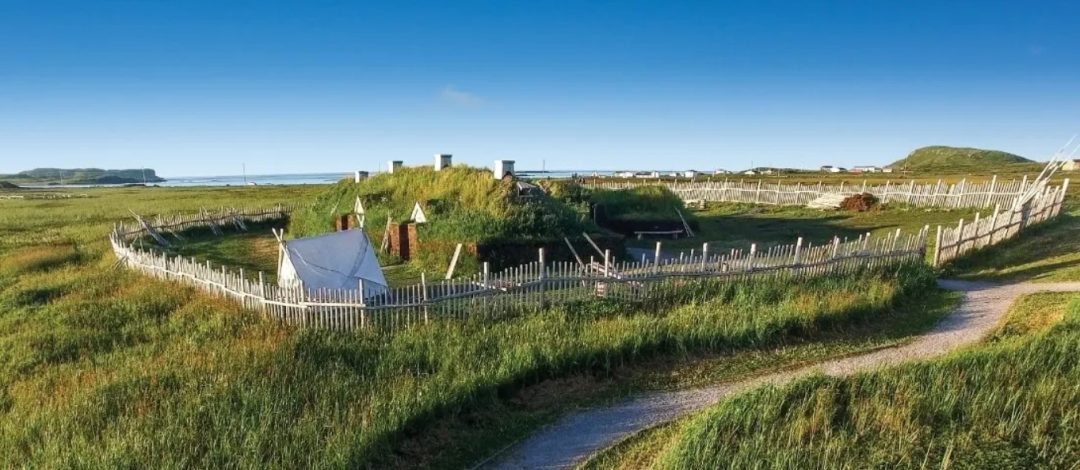
These trees grow across the northeastern quadrant of the continent. Their natural ranges include modern Labrador, Newfoundland, the Gulf of Saint Lawrence region, and the coastal forests of what is now New Brunswick and Nova Scotia. These are the same regions associated with the archaeological site of L’Anse aux Meadows and with the broader Vínland zone described in the sagas. The presence of these species in Greenland shows that Norse ships reached these forests, harvested timber, and transported it back across the North Atlantic.
Saga Accounts of Timber Voyages
The sagas describe these voyages with striking clarity. The Grænlendinga saga, 13th century, recounts the expedition of Leifur heppni. One passage states that “they cut timber there and loaded the ship with it” when describing the time spent in Vínland. This line appears in the section that describes the first Norse encounters with the wooded coast of North America. The text presents the gathering of timber as a deliberate and necessary act rather than a casual detail.
The Eiríks saga rauða, also composed in the 13th century, describes the voyage of Þorleifur karlsefni. It records that “they felled trees and gathered as much timber as the ship would hold before turning back toward Greenland.” This passage appears in the account of the settlement attempt in Vínland. It presents the timber harvest as a central purpose of the expedition. A later episode involving Freydís describes her insistence on returning with a full cargo of wood. The sagas present these actions as routine parts of travel between Greenland and the American coast.
A Network That Reached Across the North Atlantic
The Greenland colony depended on a complex mixture of wood sources. Driftwood provided bulk material. European imports supplied specialized pieces. North American timber filled the gap that neither source could meet. About a quarter of the assemblage consisted of species that could have been either imported (from Europe) or driftwood, including larch, spruce, Scots pine, and fir. These categories explain most of the wood found in Greenland. They do not explain the presence of hemlock or Jack pine
The appearance of these species stands apart from all other material. Driftwood cannot account for them. European trade cannot account for them. Only direct travel to the forests of North America can explain their presence in Greenlandic contexts. The sagas describe these voyages in narrative form. The archaeological record now confirms them in physical form.
A Clear Picture of Norse Movement Across the Ocean
The study shows that Norse voyages to the Americas were not brief experiments. They were part of a sustained pattern of movement across the North Atlantic. The wood that arrived in Greenland tells the story with certainty. The timber came from Europe. It came from the sea. And it came from the forests of North America, where Norse explorers cut trees, loaded their ships, and returned home with the materials they needed to endure.
For more on ancient Norse voyages check out: Americas Old Copper Culture’s Trade Network Across the Atlantic
