
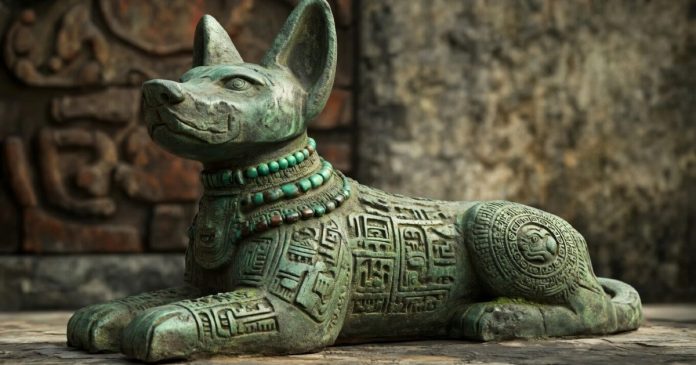
Ancient Maya traded prize dogs long distances according to a new study. This discovery reframes how Classic period communities moved animals across regions and how they assigned value to them. The new isotopic study from highland Chiapas shows that dogs traveled in ways that deer and other fauna never did. The findings reveal deliberate transport of living animals that were raised with care and intention.
Origins of the Research
A 2026 study in the Journal of Archaeological Science by Elizabeth H. Paris et al. examines dog remains from Moxviquil and Tenam Puente. The team measured strontium isotope ratios in tooth enamel to determine where the animals spent their early lives. The results show that many dogs came from distant lowland regions. The signatures match the Central Karstic Uplands and the coastal Yucatán. The deer from the same sites show local values. The contrast demonstrates that dogs were part of a controlled movement of animals rather than a reflection of local hunting activity.
Evidence for Long Distance Transport
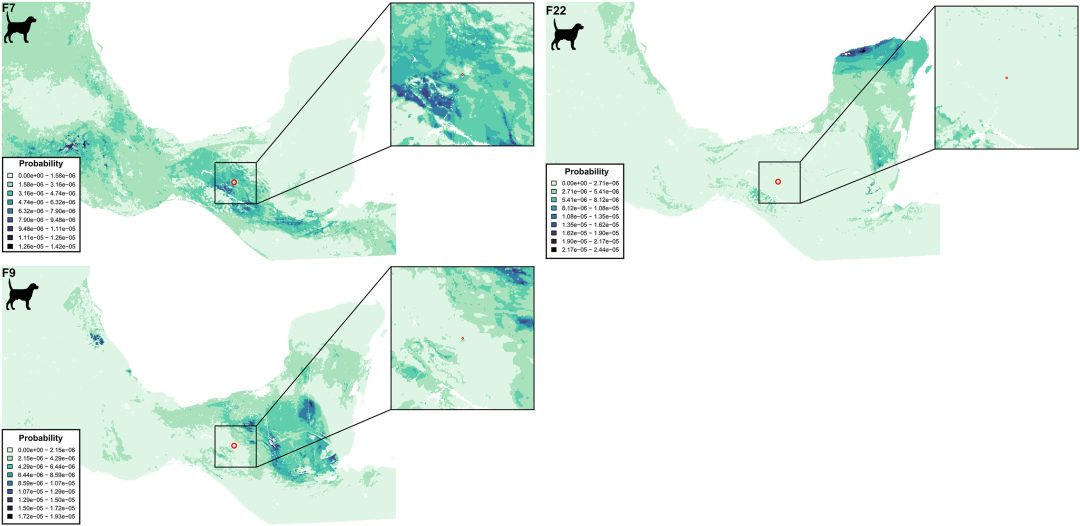
Strontium values in the dog teeth do not match the geology of highland Chiapas. The mismatch shows that the animals were born and raised elsewhere. The enamel forms during early life and locks in the chemical signature of the region. The dogs must have been moved alive because the enamel cannot form after death. The animals also show diets rich in maize and meat. The pattern indicates intentional feeding and specialized care. The dogs were not ordinary village animals. They were raised for specific purposes and moved through established networks.
Roles of Dogs in Maya Society
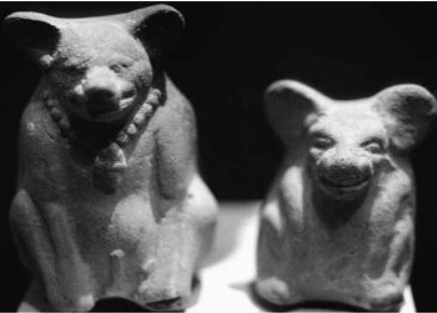
Maya communities assigned dogs a wide range of roles. Dogs served as companions and guardians. Dogs also appeared in ritual settings and sometimes in sacrificial contexts.
Image: Late Classic period Maya figurines portraying dogs probably fattened on maize. Source
The isotope data suggests that the traded dogs may have been destined for elite households or ceremonial events. The investment in feeding and transport points to symbolic or political significance. The movement of dogs across regions mirrors the movement of prestige goods. The animals themselves became part of the social fabric that connected distant Maya centers.
Hunting Traditions Beyond the Study
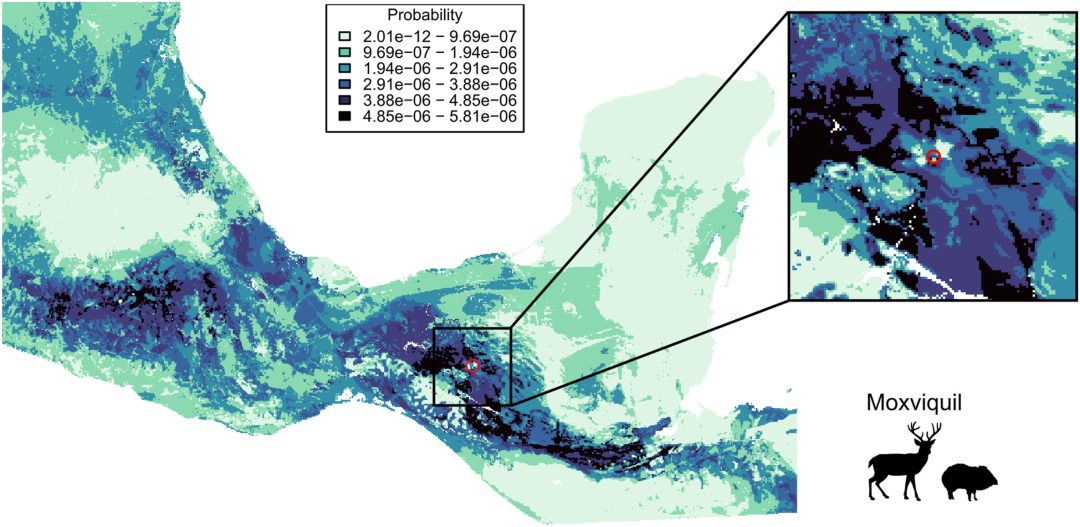
The study does not address hunting practices. Other archaeological and ethnohistoric sources show that Maya communities used dogs as hunting partners. Dogs assisted in tracking deer and other game. The tradition is well documented in Classic period and Postclassic contexts. The new isotopic evidence adds another dimension to this picture. The traded dogs were not typical hunting animals. Their diets and origins show that they were prized and curated. The contrast highlights the diversity of canine roles in Maya society.
Trade Networks and Political Connections
Maya exchange networks moved more than stone tools and ceramics. They moved living animals that required planning and care. The presence of non local dogs in highland Chiapas shows that communities maintained strong ties with lowland centers. The movement of animals reflects political alliances and ritual obligations. The transport of dogs across long distances reveals the complexity of Maya trade. The networks linked highland and lowland regions in ways that shaped social and political life.
Implications for Future Research
The study opens new questions about the movement of animals in ancient Mesoamerica. Future work may examine whether other species traveled similar routes. The approach may also reveal how communities selected animals for ritual or political purposes. The findings encourage a broader view of Maya exchange. The networks carried ideas and symbols as well as living creatures. The dogs stand as evidence of a world connected by movement and intention
For more on ancient animal practices check out: Ancient Whalers of Brazil: Assessing Maritime Capability
