
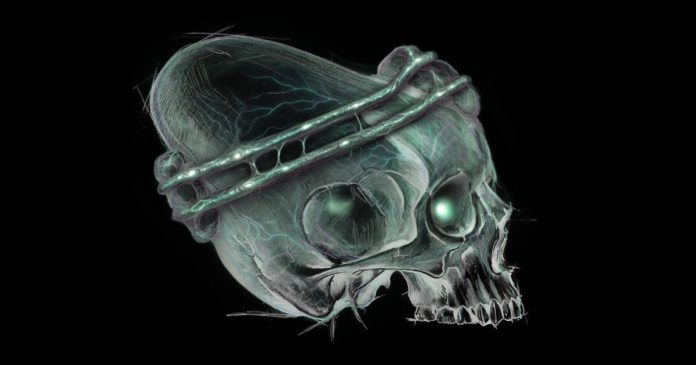
Ancient Alien Like Skulls Have Been Found on Every Continent but Antarctica because cranial modification is one of the oldest and most widespread forms of body shaping in human history. Archaeologists have identified intentionally altered skulls in Europe, the Near East, Africa, Asia, Oceania, and the Americas. The oldest known examples come from Kow Swamp in Australia and date to at least thirteen thousand years ago. Evidence from Europe, China, and Iran shows that the practice expanded rapidly during the Neolithic period. These finds demonstrate that head shaping was not a regional curiosity. It was a recurring cultural choice that emerged independently in many societies.
How Caregivers Shaped Infant Heads
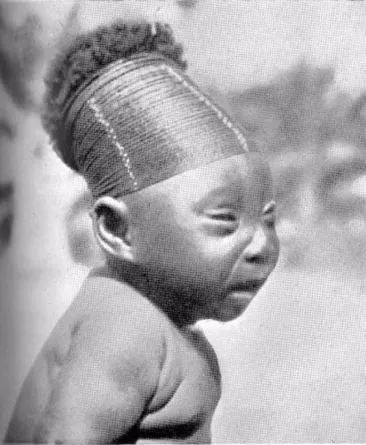
Cranial modification relied on the natural softness of an infant’s skull. Caregivers wrapped the head with cloth or used simple boards and pads to guide bone growth. The process usually began around six months of age and continued for one to two years.
The most common method involved circumferential wrapping that gradually produced a longer or more conical shape.
Historical accounts from the Andes, Borneo, and Vanuatu described extreme pain or bulging eyes, but observers often exaggerated those details. Modern bioarcheological evidence shows that the process was slow and gentle. It rarely caused harm when done correctly. The brain adapted to the new shape without impairing cognition. Complications such as skin ulcers or infection were possible but uncommon.
Archaeological Identification and Early Misinterpretations
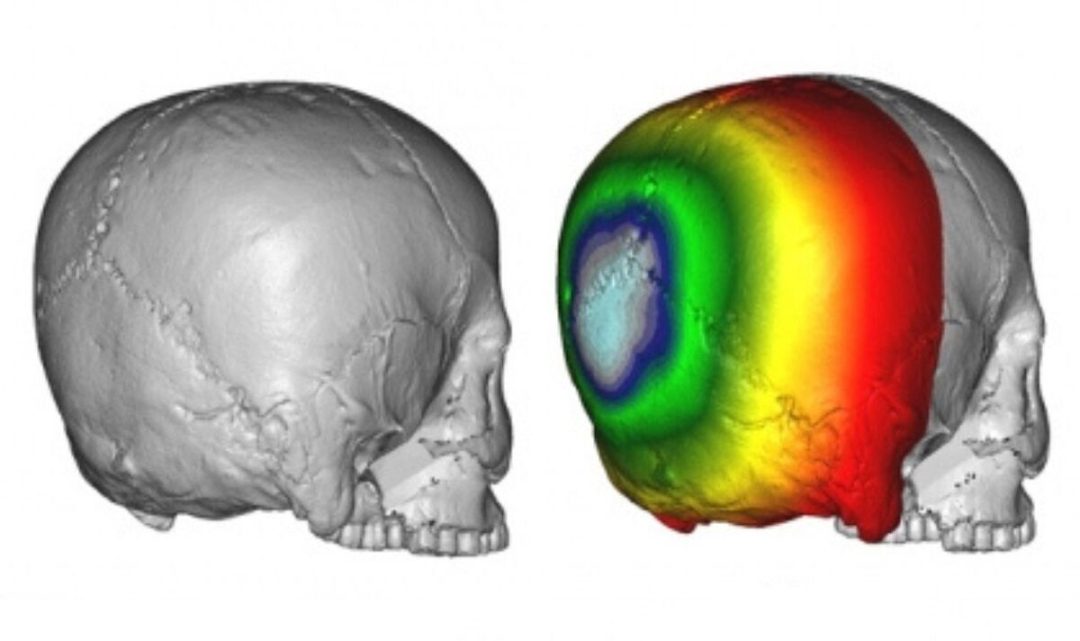
Archaeologists identify shaped skulls through visual inspection and cranial measurements. Modern three-dimensional analyses help distinguish intentional shaping from natural variation. Early European observers did not use these methods. Spanish chroniclers in the Andes and explorers in the Caribbean and Pacific often invented explanations based on rumor. Some claimed that mothers flattened their children’s heads to thicken the skull for battle. Others argued that the practice marked military rank, obedience, or beauty. These accounts were shaped by racism and assumptions about cultural superiority. They reveal more about colonial attitudes than about the people who practiced head shaping. Modern research replaces these claims with evidence-based interpretations
Cultural Meanings Across Time and Place
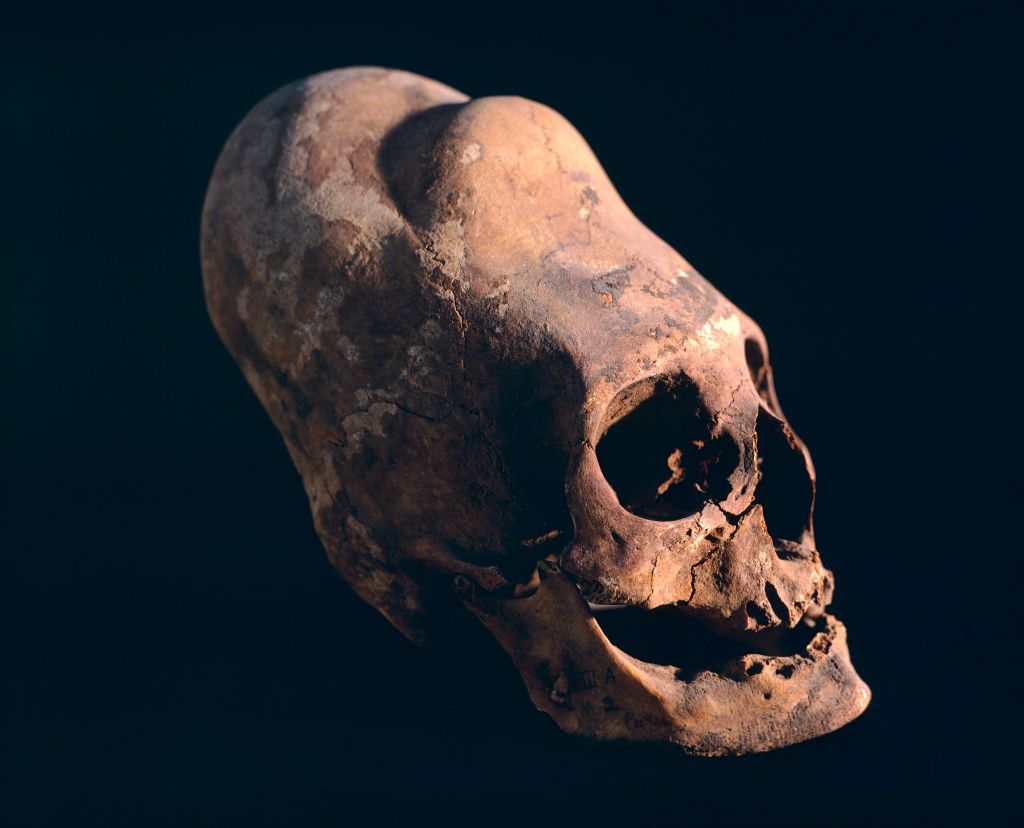
A new study shows that there is no single explanation for cranial modification. The meaning varied across cultures and even within families. In the Peruvian Andes, the Collagua told Spanish chroniclers that they shaped children’s heads to resemble the mountain associated with their community. Among the Caddo in Oklahoma, different head shapes marked clan membership. DNA studies of Andean burials reveal that siblings often had different head shapes. This pattern suggests that the shape itself was not always the goal. In some cases, the binding may have been the important act. The resulting form was simply a byproduct. In other societies, shaping served as a rite of passage linked to weaning or early childhood protection. The Maya compared head shaping to placing a roof on a house. It symbolized shelter and care
Independent Invention and Aesthetic Traditions
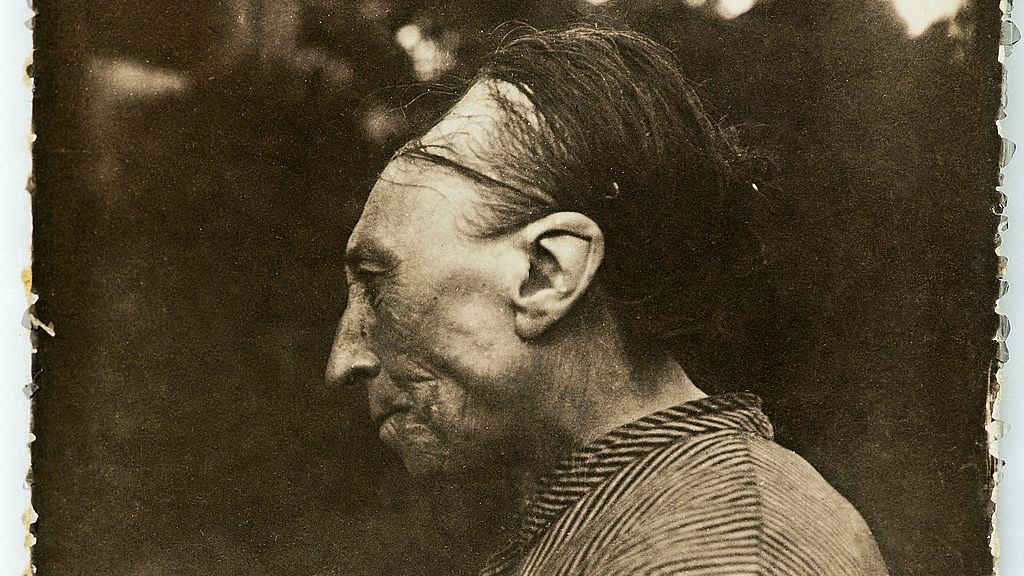
Outside the Americas, head shaping appears to have been invented multiple times. In prehistoric China and Japan, it likely signaled elite status. For the Eurasian steppe, the Huns adopted elongated heads as a fashionable marker of prestige. In central Africa, the Mangbetu practiced lipombo into the twentieth century. They valued the long conical shape as a sign of beauty and power. The Belgian colonial government eventually outlawed the practice. In Papua New Guinea, the Arawe shaped heads into the 1930s using bark cloth bandages. In France, the bandeau tradition persisted into the early twentieth century. Parents believed the wrapping protected infants from injury. These examples show that cranial modification was not limited to ancient or isolated societies. It survived into the modern era in many forms.
Why the Practice Emerged Repeatedly
The study argues that cranial modification emerged repeatedly because the human infant skull is naturally malleable. Many parents notice the temporary cone shape that appears during birth. This visible plasticity invites cultural interpretation. Some societies responded by shaping the head intentionally. Others used binding as part of child rearing, ritual protection, or aesthetic expression. The practice fits within a broader human pattern of body modification. Tattoos, tooth filing, neck elongation, piercings, and cosmetic procedures all reflect cultural values. Cranial modification is another expression of this impulse. It represents an investment in the child’s future and identity
A Modern Anthropological Perspective
Head shaping should not be viewed as bizarre or alien. It is a deeply human practice rooted in care, identity, and tradition. Modern anthropologists emphasize that shaped skulls do not indicate pathology or diminished intelligence. They reflect cultural choices made by caregivers who believed they were doing what was best for their children. When placed in this context, cranial modification becomes part of a long continuum of human self expression. It shows how societies use the body to communicate belonging, beauty, protection, and meaning.
For more ancient practices check out: Magico-Medical Practices in Ancient Mesopotamia: Supernatural & Empirical Healing
