
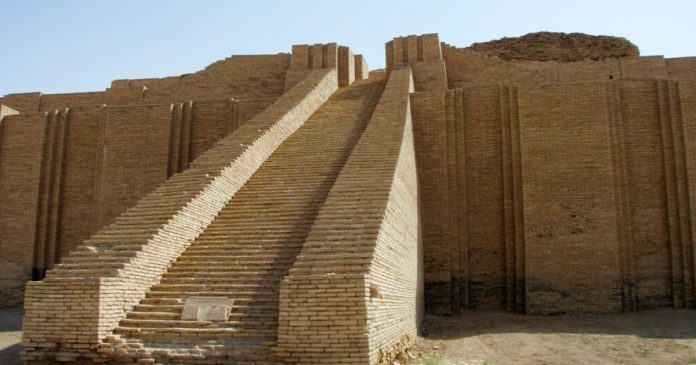
Ancient Sumerian composite material reveals a technological tradition that predates Roman concrete by more than two thousand years. The new analysis of bitumen-based composites from Abu Tbeirah shows that Sumerian craftsmen engineered their materials with deliberate recipes and controlled processing steps. A new study documents a craft system that relied on heating, mixing, tempering, and recycling. These were engineered materials with predictable behavior and specific performance characteristics. The work reveals a technological culture that understood viscosity control, mechanical reinforcement, and the transformation of raw hydrocarbons into durable construction and adhesive compounds. These findings place Sumerian material science among the earliest documented traditions of engineered composites.
Origins of the Sumerian Composite Tradition
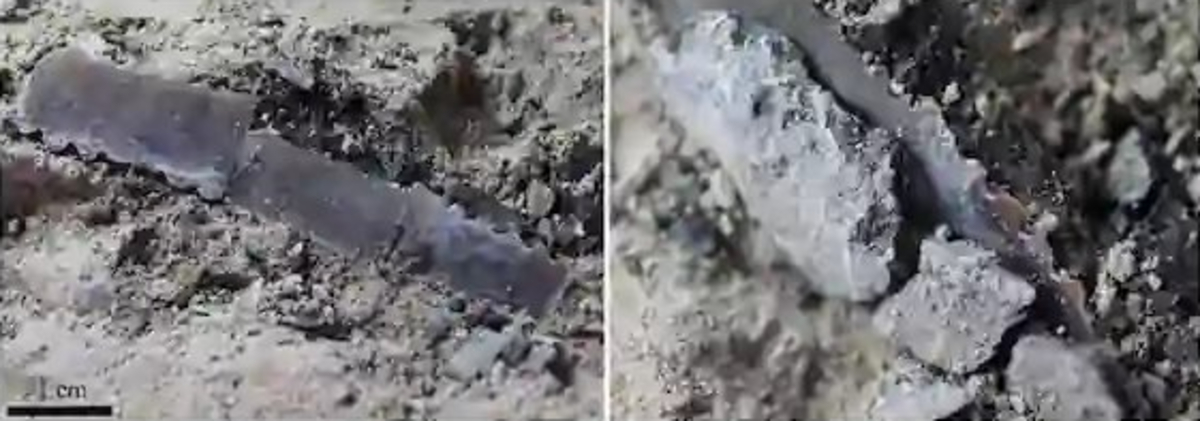
Bitumen had deep prehistoric roots in the Near East. The Sumerians expanded this resource into a full technological system. Craftsmen heated raw bitumen in ceramic vessels. They added vegetal fibers, reeds, straw, powdered pottery, minerals, and shell fragments. Each addition changed the behavior of the mixture. Fibers increased tensile strength. Minerals increased hardness. Powdered pottery stabilized the mixture during cooling. These choices created a predictable material that could be shaped, poured, or pressed into molds. The study shows that these mixtures were not improvised. Microscopic imaging reveals consistent patterns in pore structures, inclusions, and additives. Distinct recipes correspond to distinct functions. Adhesives differ from waterproofing agents. Coatings differ from structural bonding materials. The presence of standardized ingots indicates organized production and distribution.
Manufacturing Methods and Technical Control
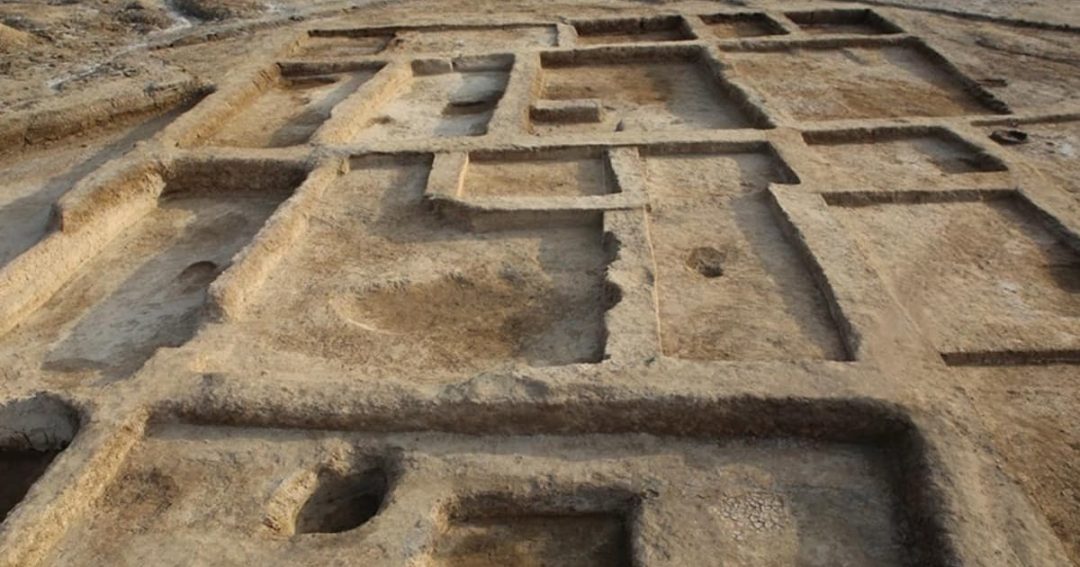
At Abu Tbeirah samples show that Sumerian craftsmen used repeated heating cycles to refine the material. Heating removed moisture and altered viscosity. Mixing incorporated additives that changed mechanical properties. Craftsmen understood that excessive reheating produced brittle material. They recycled older composites into lower grade mixtures when needed. The study identifies vegetal and inorganic inclusions that reveal both intentional additions and geological contaminants. These inclusions act as diagnostic markers for workshop practices. Digital microscopy and machine learning analysis show that the internal structure of these composites is consistent with engineered materials. Pore networks form predictable patterns. Additives are distributed in controlled densities. These features match the expected results of deliberate mixing and controlled cooling. The study concludes that Sumerian workshops operated with a level of technical knowledge that aligns with modern asphalt engineering principles
Uses Across Sumerian Society
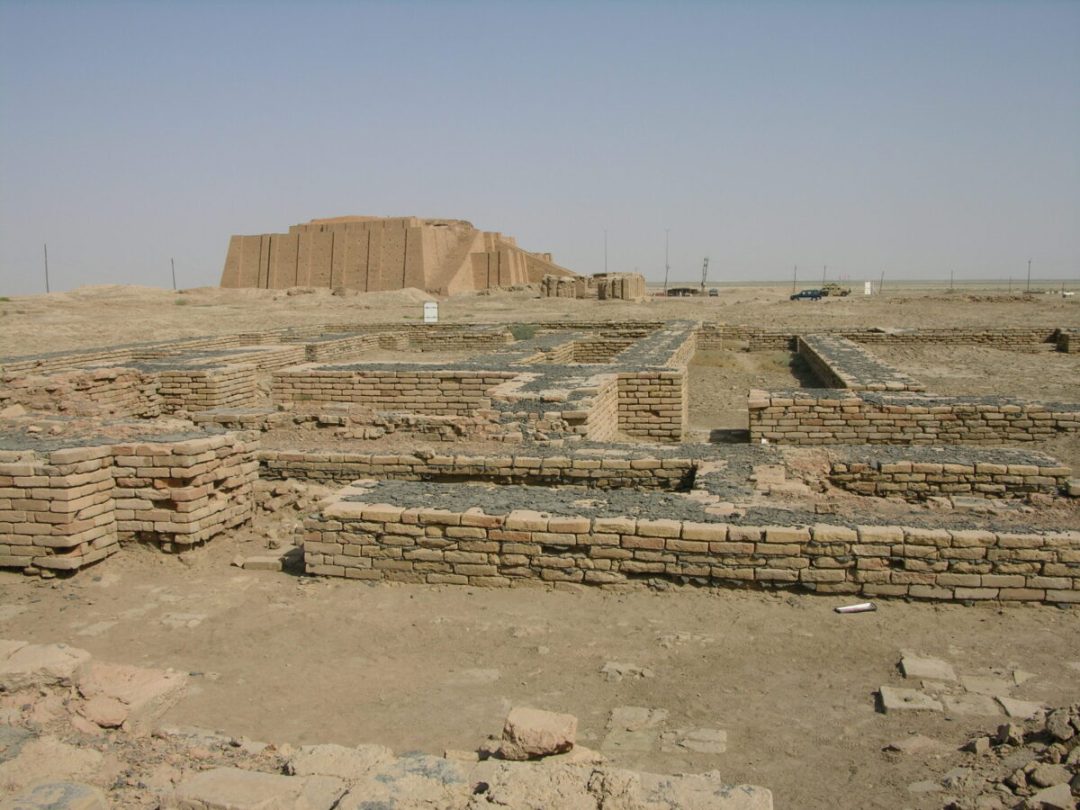
Bitumen composites served many roles in Sumerian life. Boats relied on these composites for waterproofing. Walls and foundations gained the same protection. Brick courses held together with their bonding strength. Tools stayed fixed in place through their adhesive grip. Containers carried a protective coating that resisted moisture. Some mixtures offered antiseptic qualities. Others provided reliable ignition material. This range of functions shows how adaptable the recipes were across Sumerian life. Craftsmen adjusted mixtures to match the needs of each task. The archaeological record preserves residues on tools, ceramics, and architectural elements. These residues match the compositional clusters identified in the study.
Comparison Between Sumerian Concrete and Roman Concrete
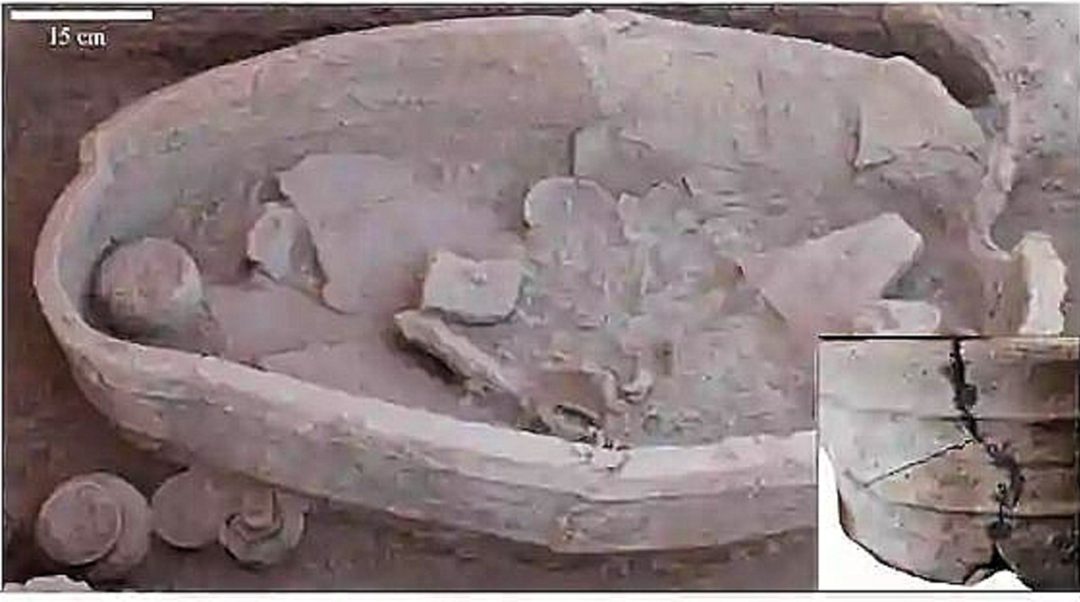
Sumerian composite technology predates Roman concrete by more than two millennia. The two traditions differ in composition, purpose, and technological philosophy.
Roman concrete relied on lime, volcanic ash, and aggregate. The mixture produced a chemical reaction that created a rigid stone like mass. Roman builders used it for large scale architecture. The material hardened through hydration and carbonation. It formed monolithic structures that could span great distances.
Sumerian composites relied on bitumen, fibers, minerals, and ceramic powders. The mixture did not undergo a chemical transformation like Roman concrete. Their mixture behaved like a thermoplastic composite. It softened when heated and hardened when cooled. The material excelled in waterproofing, adhesion, and flexible bonding. It was not used for massive load bearing structures. It was used for sealing, joining, and protecting. The Sumerian approach reflects a materials science tradition based on controlled additives and thermal processing rather than chemical curing.
Each traditions show deep understanding of composite behavior. Both traditions used standardized recipes. These traditions produced materials that could be adapted to many tasks. The difference lies in the physical principles each culture exploited. The Sumerians engineered hydrocarbons. The Romans engineered mineral reactions. But the Sumerian system is older and represents one of the earliest known examples of deliberate composite design.
Significance for the History of Technology
The Abu Tbeirah study demonstrates that ancient Mesopotamia developed a mature materials science tradition long before the rise of classical engineering. The Sumerians understood how to transform raw geological resources into functional composites. The Sumerian engineers controlled viscosity. They controlled mechanical strength and porosity. Recycling older materials they standardized production. These practices reveal a technological culture that deserves recognition alongside later traditions. The discovery reframes the timeline of engineered materials. This shows that composite technology did not begin with the Romans. It began in the floodplains of southern Mesopotamia. It began with craftsmen who heated bitumen in jars and shaped it into tools, coatings, and architectural components. Their work stands as one of the earliest documented examples of deliberate material engineering.
For more ancient engineering science check out: Ancient Mayan Masonry Science
