
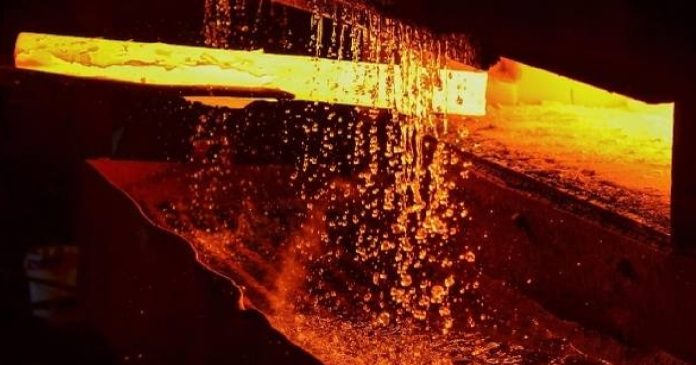
Earliest Proven Steel‑Edge heat treatment in Europe opens a window onto a moment when craftspeople were learning to work iron with the same confidence they once applied to bronze. An Iberian chisel from Rocha do Vigio is the earliest tool where the cutting edge itself has been sampled, measured, and shown to have undergone deliberate thermal refinement. Its microstructure captures a transitional stage in which Bronze Age reasoning met the unfamiliar behavior of bloomery steel, producing a tool that is both technically modest and historically pivotal.
Archaeological Setting
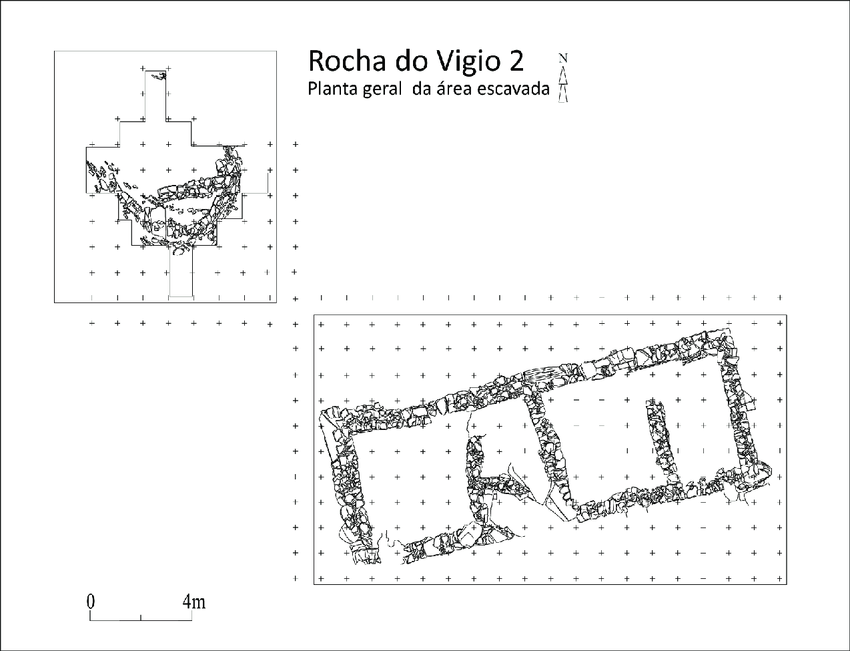
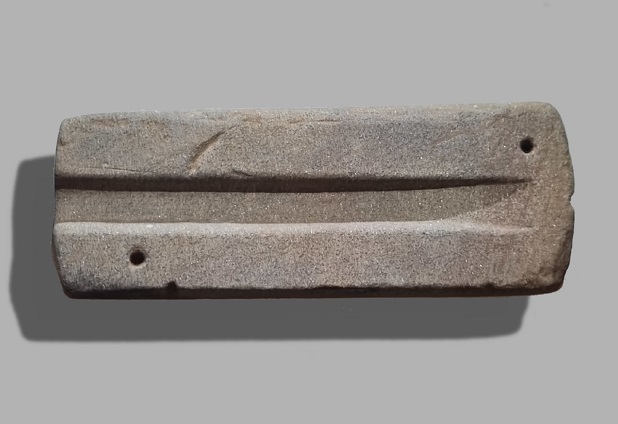
Rocha do Vigio was a small Final Bronze Age hamlet overlooking the Guadiana River, occupied in the ninth century BCE. Excavations revealed a cluster of oval huts and a larger quadrangular building, all associated with metalworking. Inside one of the huts, archaeologists found the iron chisel alongside a sandstone mold for casting bronze chisels of the same size. Nearby trenches produced tuyères and iron‑smelting slag, confirming that the community was not merely using iron but producing it locally. This context rules out later intrusion and places the chisel firmly within an early Iberian tradition experimenting with iron while still grounded in Bronze Age craft logic.
Material and Microstructure
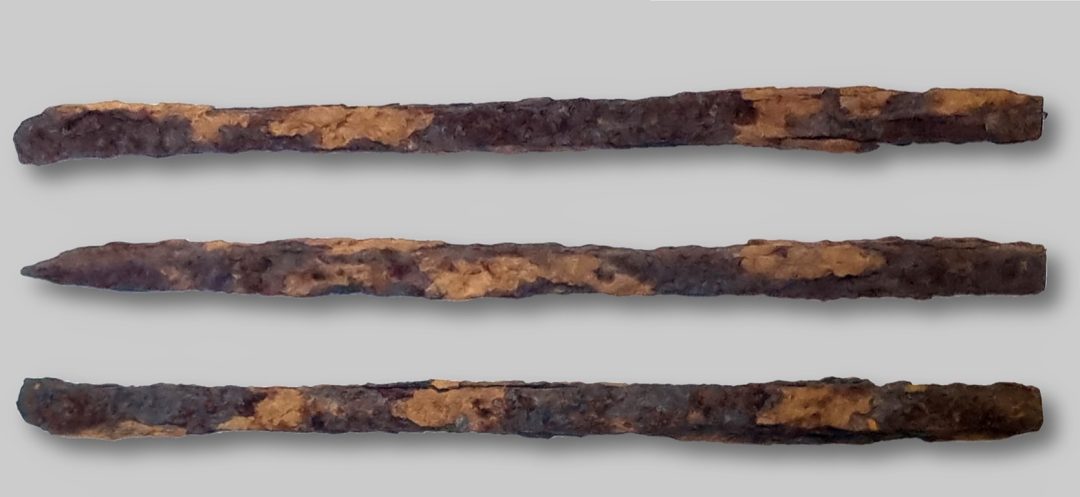
The chisel is made from bloomery steel with about 0.5 percent carbon and almost no manganese. This composition is crucial because manganese strongly affects hardenability. In this case, the alloy’s chemistry made full martensitic hardening nearly impossible, even under rapid cooling. Metallographic analysis shows a coarse ferrite‑and‑pearlite structure in the butt, typical of bloom consolidation, while the tip displays a much finer, more homogeneous mixture of very fine pearlite and limited upper bainite. No martensite is present. The fine structure at the tip reflects faster cooling, aided by the thin geometry of the cutting edge and likely guided by the smith’s handling of heat.
Mechanical Behavior and Heat Treatment
Hardness measurements reveal a functional gradient between the butt and the tip. The butt varies widely because of its ferritic and pearlitic bands. While the tip consistently reaches values around 280 HV, with a few surface zones exceeding 300 HV. These numbers match fine pearlite and upper bainite rather than hardened martensite. The smith achieved a refined, tougher edge through controlled cooling. But the alloy’s low manganese content prevented the transformation associated with true quench‑hardening. The result is a tool that performs better than untreated iron. Yet, falls short of the hardened steel familiar from later periods.
Craft Tradition and Technological Continuity
The chisel reflects a continuity of Bronze Age practice rather than a sudden technological leap. Bronze tools were often treated at the edge to improve performance, and the same conceptual approach appears here. The smith manipulated temperature, color, and resistance in ways that made sense within an existing craft vocabulary. Iron responded differently, but the underlying reasoning remained the same. The chisel records this negotiation between old habits and new material behavior, showing how early ironworkers learned through practice rather than theory.
Revising the Early Steel Timeline
Earlier claims of seventh‑century BCE hardened steel in Iberia have been re‑evaluated and shown to be ferritic‑pearlitic rather than martensitic. This correction narrows the window for true quench‑hardening and elevates the significance of the Rocha do Vigio chisel. It demonstrates that medium‑carbon steel was being produced and competently managed centuries before fully hardened steel appears. The tool’s refined tip shows that early smiths were already exploring the limits of steel, even if the alloy’s chemistry prevented the dramatic results seen in later ironworking.
Implications for Early Steel Metallurgy
The chisel highlights the need for transformation data tailored to bloomery steels. Modern reference diagrams assume manganese levels far higher than those found in early iron. Which can lead to misinterpretation of ancient microstructures. The Rocha do Vigio alloy shows how low‑Mn steels transform quickly into pearlite and bainite. Leaving little room for martensite to form. Understanding this behavior is essential for reconstructing early ironworking. Also for distinguishing intentional heat treatment from the natural effects of geometry and cooling.
For even more ancient metallurgy check out Ancient Egyptian Metallurgy: Alloy Tool Use Effectiveness
