
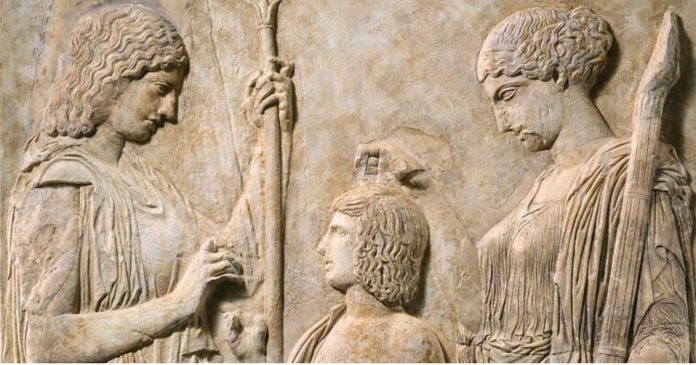
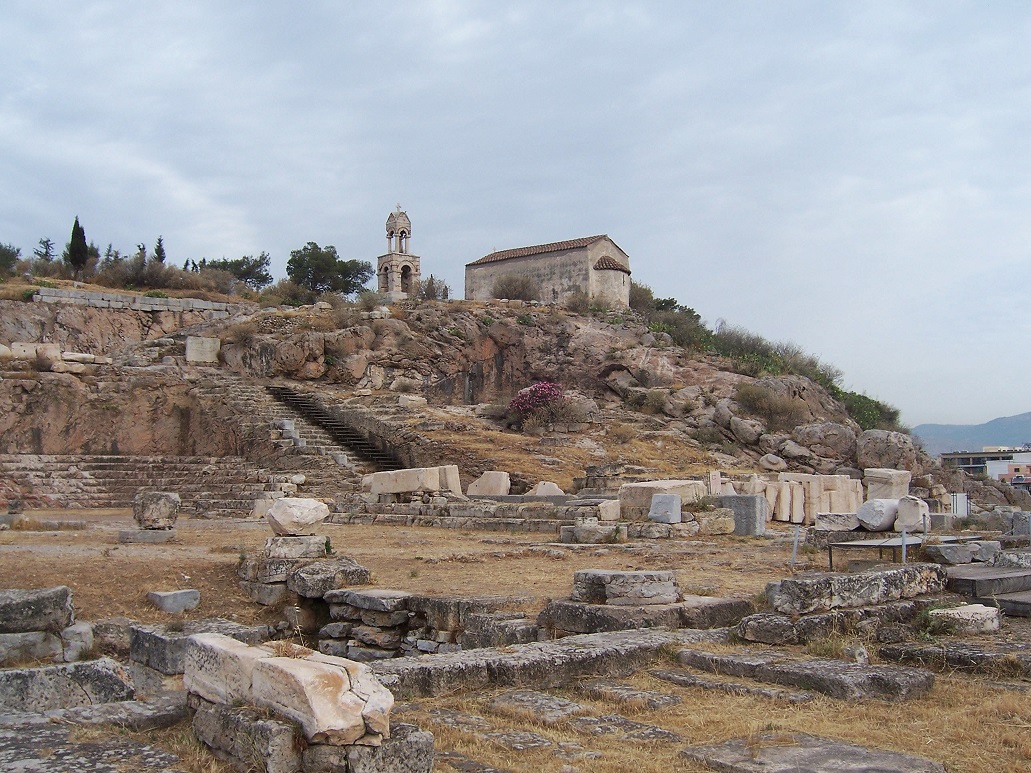
For nearly 2,000 years, the Eleusinian Mysteries stood as the most revered and secretive spiritual tradition in the ancient Mediterranean world. Held annually in the small town of Eleusis (modern Elefsina), just 20 km west of Athens along the Sacred Way, these rites promised initiates a profound transformation: a direct encounter with the divine, a glimpse of the afterlife, and liberation from the fear of death.
At the heart of the experience was a simple-looking barley drink called kykeon (κυκεών). It was a sacred elixir whose ingredients and effects were guarded with the penalty of death. Now, a groundbreaking 2026 study published in Scientific Reports has provided the strongest experimental evidence yet that kykeon was far more than a symbolic beverage. It may have been a carefully prepared psychedelic sacrament derived from ergot fungus. Anew study shows how it was transformed using ancient technology. Made into a safe, mind-altering lysergic acid amides (LSA and iso-LSA), compounds chemically related to LSD
The Eleusinian Mysteries: Greece’s Greatest “Mystery School”
The Mysteries were not a public festival but a true mystery school. It was an initiatory tradition open to men, women, free citizens, slaves, and foreigners alike. There were only two requirements; that they spoke Greek and had not committed murder. They honored Demeter, goddess of grain and fertility, and her daughter Persephone, who descended to the underworld and returned each spring.
The rites unfolded in two stages:
- The Lesser Mysteries (held in spring in Athens) — preparatory purification and fasting.
- The Greater Mysteries (September/October) — the climactic nine-day pilgrimage to Eleusis
The pinnacle occurred inside the Telesterion, a massive columned hall capable of holding thousands. There, in absolute secrecy and darkness, each initiate drank the kykeon and underwent the epopteia (“beholding”). This was an experience so powerful that participants like Plato, Cicero, and Pindar described it as the greatest gift the gods gave to humanity. Which was the certain knowledge that death is not the end.
The penalty for revealing what happened inside was death. As a result, we have no direct eyewitness accounts of the visions. What’s left are only hints, metaphors, and the overwhelming consensus that the Mysteries changed lives forever.
The Elixir: What Was in the Kykeon?
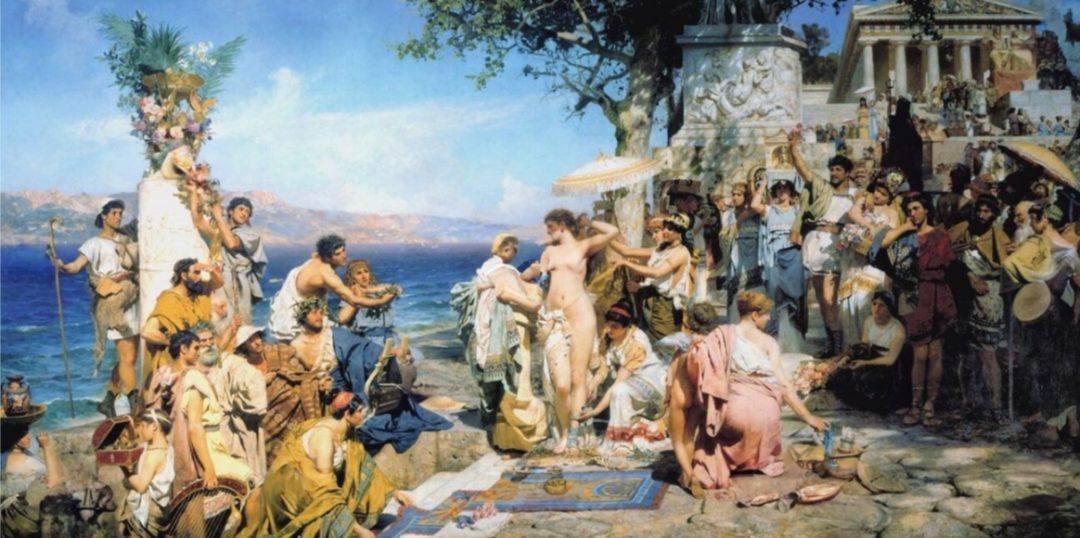
The only ancient description comes from the 7th-century BCE Homeric Hymn to Demeter. When the goddess (disguised as an old woman) arrives in Eleusis, she refuses wine but instructs the queen to mix barley, water, and soft mint (likely pennyroyal, Mentha pulegium) into a drink called kykeon.
Other ancient texts mention variations, but the Eleusinian version was always based on these three ingredients. Scholars long dismissed alcohol as the active agent (Demeter explicitly refuses wine). Pennyroyal has mild sedative effects but is not psychedelic. Opium poppies appear in Eleusinian art but were well-known narcotics — not the “hidden” sacrament. Magic mushrooms were unlikely due to seasonality and availability.
Enter the Ergot Hypothesis
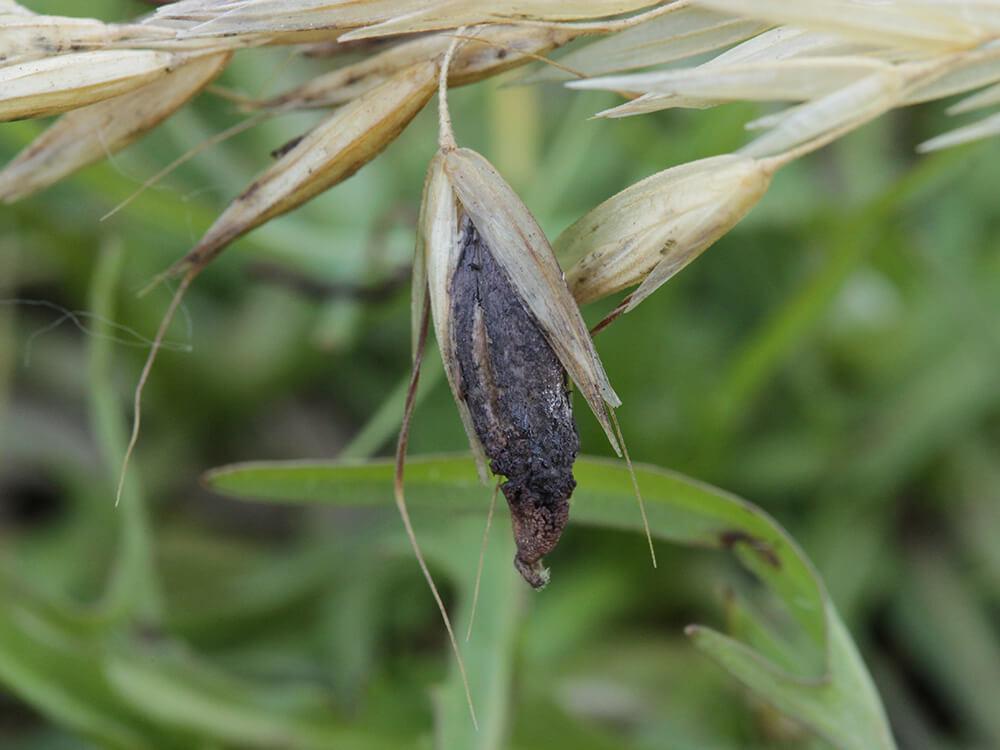
The ergot hypothesis, first proposed in 1978 by mycologist R. Gordon Wasson, chemist Albert Hofmann (discoverer of LSD), and classicist Carl A.P. Ruck in their seminal book The Road to Eleusis. They suggested that ergot fungus (Claviceps purpurea), which naturally infects barley and produces powerful alkaloids, was deliberately added or present in the grain.
Ergot was already used medicinally in ancient Greece (as pulvis parturiens for childbirth), but it is also notoriously toxic. In uncontrolled doses it caused gangrene, convulsions, and hallucinations referred to as “St. Anthony’s Fire”. Critics of the hypothesis asked: How could priestesses safely harness its power without poisoning thousands of initiates?
Archaeological support emerged in the 1990s–2000s from a sanctuary near the ancient Greek colony of Emporion (modern Catalonia, Spain), where ergot was found both in a ritual vase and in the dental calculus of a 25-year-old man buried at the site dedicated to the Eleusinian goddesses.
Ancient Chemistry Meets Modern Science
In the February 2026 paper “Investigating the psychedelic hypothesis of kykeon,” a Greek-led international team (National and Kapodistrian University of Athens, University of Granada, Boston University, and others) did exactly that.
They collected real Claviceps purpurea sclerotia, pulverized them, and refluxed the powder in wood-ash lye. The lye essentially is a simple alkaline solution (pH 12.5). One that any ancient priestess could have made by leaching ashes in water. This mirrors a technique the Greeks already used for other medicines.
The Experiment
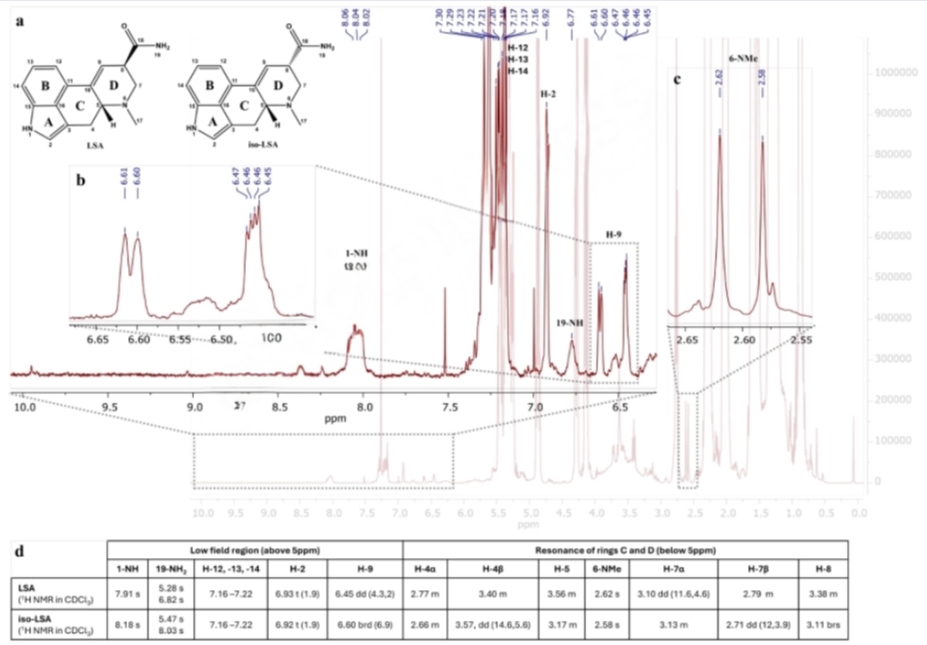
To see what really happens to ergot in an ancient-style lye brew, the researchers ran a simple comparison:
- When ergot was mixed with plain water, nothing important changed. The dangerous compounds stayed exactly as they were.
- When the same ergot was heated in wood‑ash lye, the transformation was dramatic. Within two hours, the toxic molecules broke apart and turned into two known psychedelic compounds: LSA and iso‑LSA. The same family of lysergamides that give morning glory seeds their visionary effects.
The lye was naturally neutralized by atmospheric CO₂ and the slightly acidic barley-mint mixture, making the final drink safe to consume. Trace simple lysergamides like ergometrine remained, but these are far less toxic and were historically used medicinally. The authors also modeled the reaction and confirmed that ancient priestesses could easily have scaled this process in the sanctuary to serve thousands.
The active amounts were small but potent. Just one gram of ergot produced enough LSA and iso‑LSA for a full visionary experience.
Bringing Context to Ancient Experiences
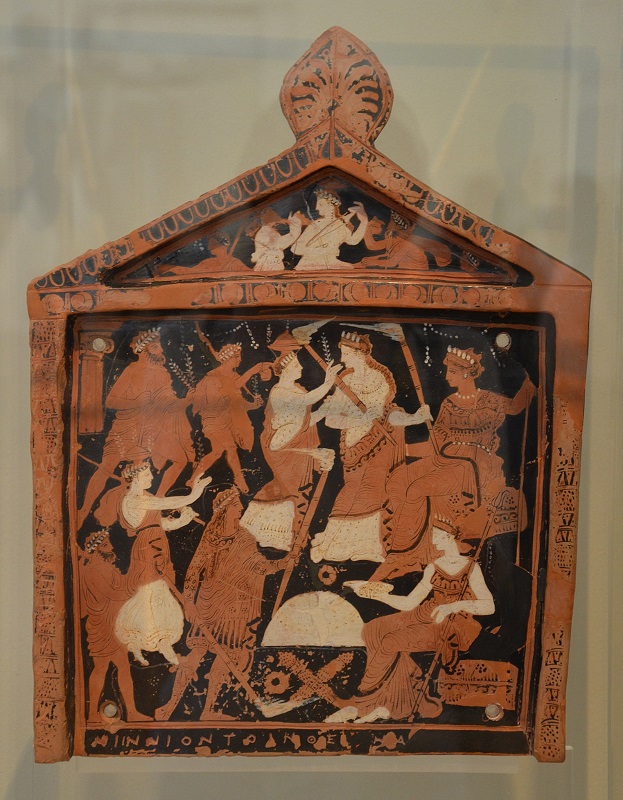
LSA and iso-LSA are well-documented mild psychedelics (the active compounds in morning-glory seeds). In the ritual context of fasting, expectancy, sacred music, and the dramatic Telesterion setting, their effects would have been profoundly amplified. Producing the ego-dissolution, visions of Persephone’s return, and “resurrection of the soul” described by ancient initiates.
The study also suggests synergy with pennyroyal’s compounds (pulegone and rosmarinic acid), creating an “entourage effect” similar to cannabis terpenes or ayahuasca.
This finally answers the question that has puzzled scholars since the 1970s: the Eleusinian Mysteries were not symbolic theater. They were a genuine entheogenic mystery school. One that shaped Western philosophy, religion, for two millennia.
