
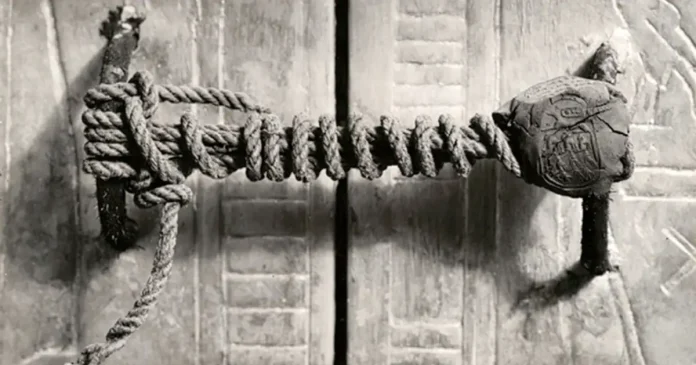
On February 16, 1923, British archaeologist Howard Carter and his financier George Herbert opened the nearly intact tomb of Pharaoh Tutankhamun in Egypt’s Valley of the Kings. Tutankhamun was just 18 years old at the time of his death. That same day, a snake ate Carter’s pet canary. Two months later, Herbert died in Cairo. His death reportedly from blood poisoning caused by an infected mosquito bite. These events sparked rumors of a “mummy’s curse” affecting those who disturbed the pharaoh’s rest.
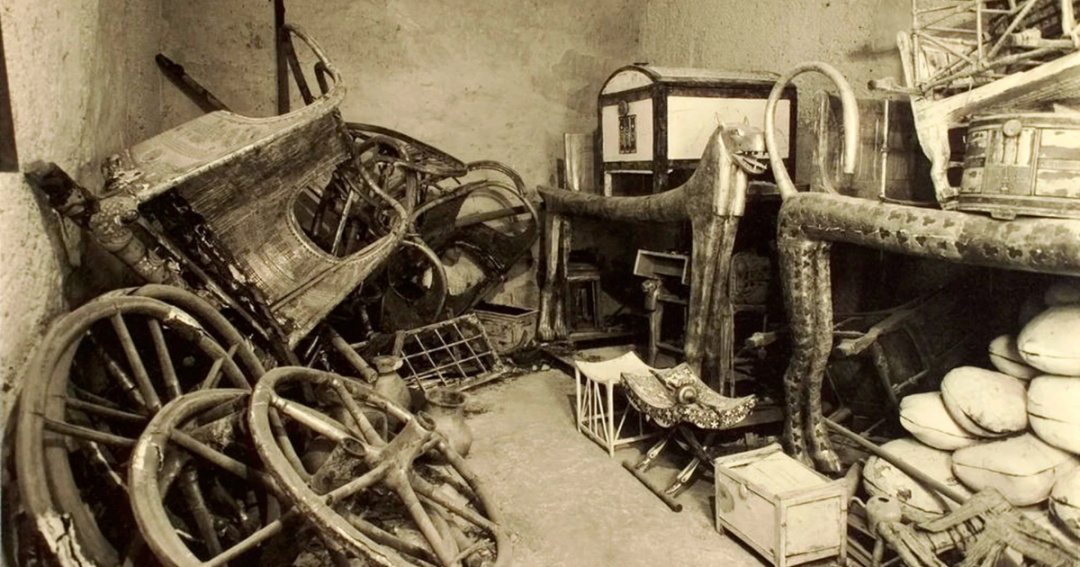
The media played a significant role in propagating this legend. Prestigious newspapers such as The Times and The New York World ran speculative stories about the tomb’s discovery. Novelist Marie Corelli warned that anyone who entered sealed tombs might face dire consequences. Howard Carter chose not to challenge these claims publicly. He may have assumed that educated readers would dismiss them as myth rather than fact. However, the public fascination with the supposed curse only grew.
The Cursed?
Subsequent deaths of individuals, even those only tangentially connected to the excavation, fueled the rumors. For instance, on January 15, 1924, reports emerged of the death of Archibald Douglas-Reid, who had allegedly performed X-rays on the pharaoh’s mummy. Such incidents reinforced the belief in a curse. However, key figures like Carter himself lived long after the tomb’s opening; Carter died in his London apartment on March 2, 1939, at the age of 64.
Rational explanations have been proposed to debunk the curse myth. George Herbert, for example, was 56 at the time of the excavation and had been in poor health due to a severe car accident. His death, whether from an infected mosquito bite, respiratory infection, or fever, can be attributed to natural causes rather than a supernatural curse.
In summary, the legend of Tutankhamun’s curse appears to be a combination of coincidental events, media sensationalism, and public fascination with the mystical aspects of ancient Egypt.
