
A colossal volcanic blast tore open the island of Thera in the Aegean Sea thousands of years ago. Ash fell across the eastern Mediterranean. Tsunamis slammed distant shores. For generations scholars have argued over the exact year this catastrophe struck and how it aligned with the grand sweep of ancient Egyptian history. A groundbreaking 2025 study delivered clear radiocarbon evidence that the eruption happened before Pharaoh Nebpehtire Ahmose rose to power and reunified Egypt.
The research team measured organic remains from rare museum objects tied to the seventeenth to early eighteenth Dynasty transition. Their results place the Minoan Thera event firmly earlier than Ahmose. This finding supports a lower chronology for the start of Egypt’s New Kingdom while reinforcing a higher chronology for the Middle Kingdom. It also suggests the Second Intermediate Period lasted longer than some traditional models assumed.
The Enduring Debate Over Thera and Egyptian Timelines
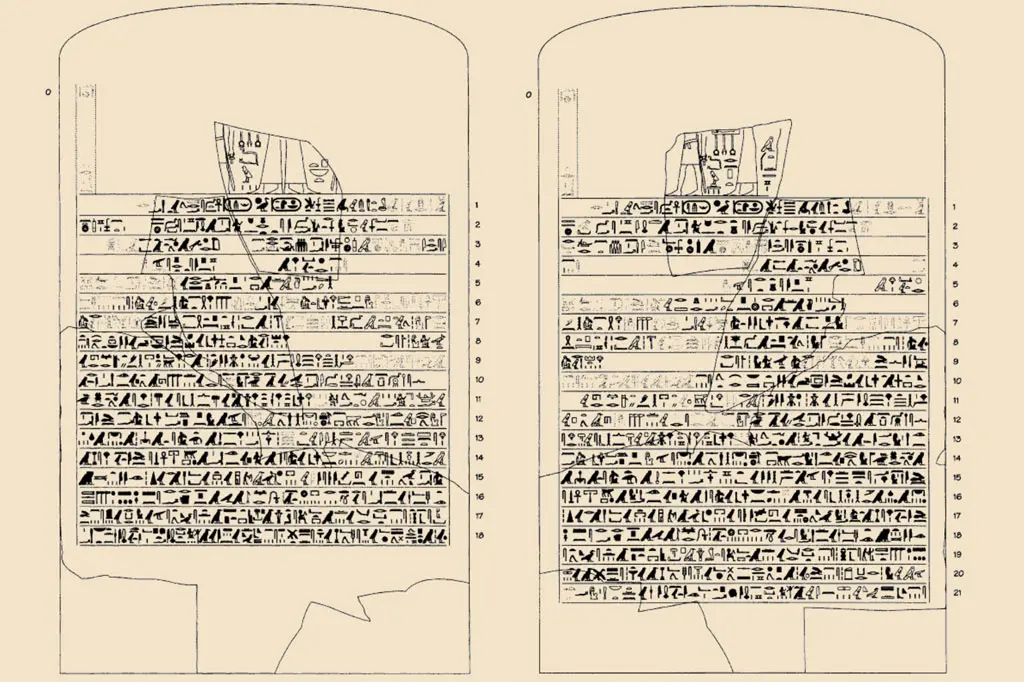
For decades the Thera eruption sat at the center of a chronological puzzle. Archaeologists linked it to the Late Minoan IA period on Crete and Santorini itself. Traditional Egyptian historical frameworks often placed the same event in the early eighteenth Dynasty. Some researchers even proposed a direct connection to Ahmose through his famous Tempest Stela. That stela describes a terrifying storm of darkness and destruction witnessed early in his reign. Could the volcanic blast have inspired the dramatic text?
Other scholars favored an earlier date during the Second Intermediate Period before the Hyksos were expelled. Radiocarbon work on Thera samples had already produced ranges clustering in the seventeenth to early sixteenth centuries BCE depending on the calibration curve used. Yet direct comparisons with Egyptian material from the critical transition years remained scarce. Without fresh measurements from objects securely linked to Ahmose or his immediate predecessors the debate stayed unresolved.
Fresh Radiocarbon Measurements from Key Museum Objects
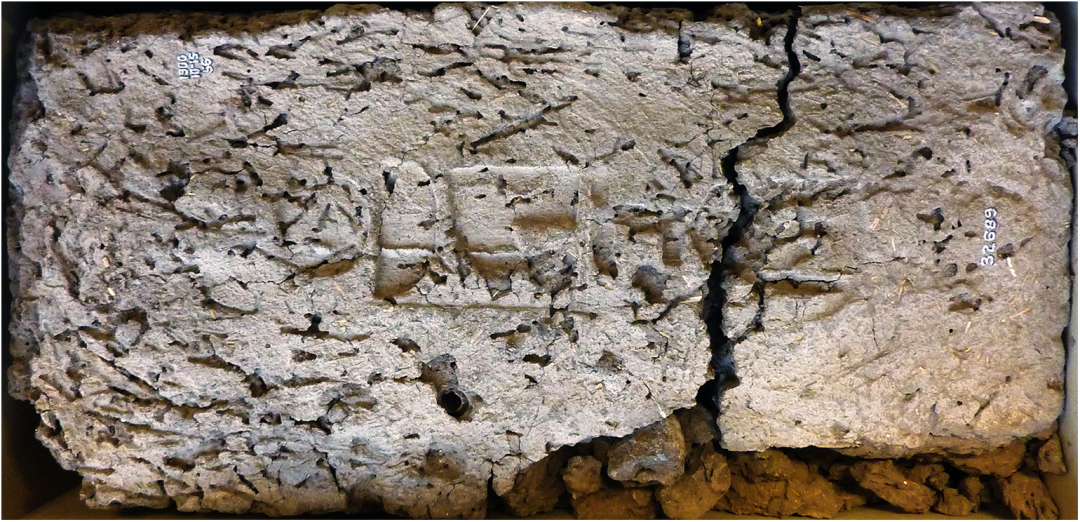
Image Source: https://doi.org/10.1371/journal.pone.0330702.g004 CC BY-NC-SA 4.0
The study targeted three groups of organic artifacts held in major collections. The most important item was an unbaked mudbrick stamped with Ahmose’s throne name Nebpehtire. It came from the temple he built at Abydos after his victory over the Hyksos. Excavators believe the brick was made around year twenty-two of his reign.
A single clean fragment of straw was carefully extracted from this mudbrick. Its radiocarbon date measured 3230 plus or minus 60 years BP. Other samples that included mudbrick matrix returned slightly older results. Researchers attribute the difference to older plant material already present in Nile alluvial soil. By isolating the largest pure straw piece they obtained the most reliable date for the moment the brick was formed.
Additional samples came from a linen burial cloth linked to Queen Satdjehuty of the seventeenth Dynasty and from wooden stick found at Thebes and now kept in the Petrie Museum. These objects belong to the same broad historical window as the mudbrick. Together they supplied the first substantial set of radiocarbon measurements for the seventeenth to early eighteenth Dynasty transition period.
Direct Comparison Reveals the Eruption Came Earlier
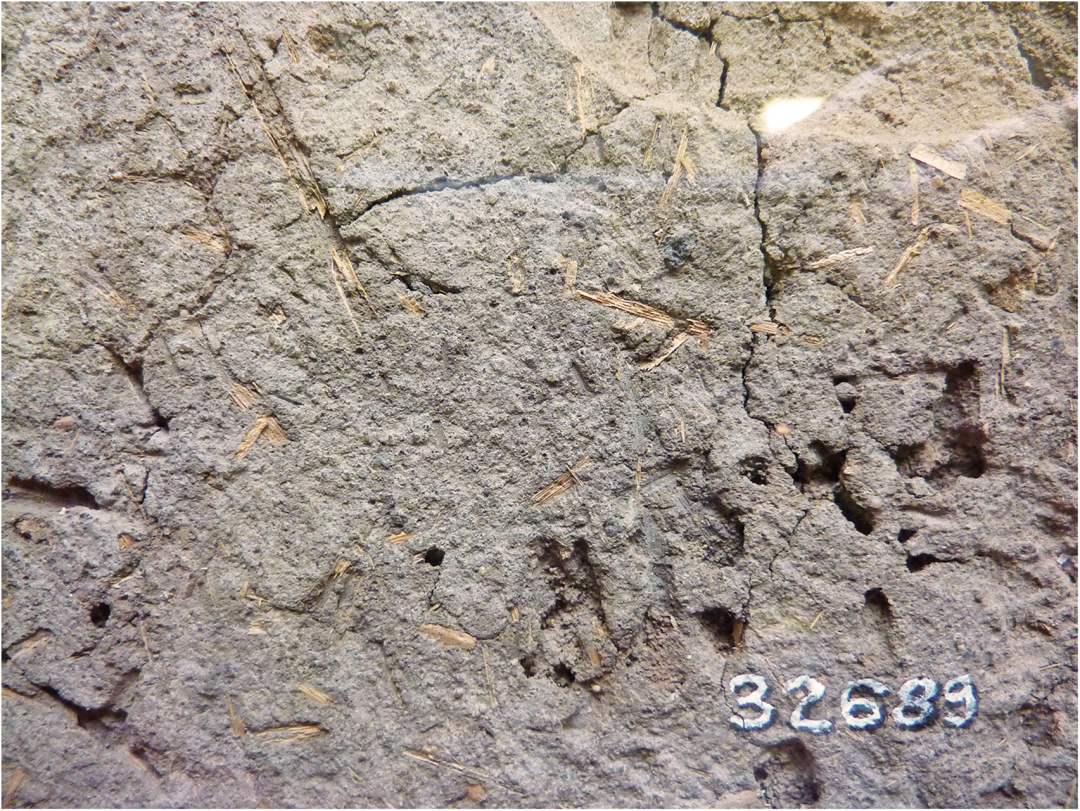
Image Source: https://doi.org/10.1371/journal.pone.0330702.g004 CC BY-NC-SA 4.0
Because the museum objects could not be arranged in a single stratigraphic sequence the team could not apply Bayesian modeling. Instead they adopted a straightforward yet powerful approach. They compared the raw uncalibrated radiocarbon dates of the Egyptian artifacts directly with a large robust series of uncalibrated dates already published for the Thera eruption.
The two groups display clearly different time signatures. The Egyptian dates from the seventeenth to early eighteenth Dynasty transition sit younger than the main cluster of Thera measurements. This pattern holds even before any calibration into calendar years. The Minoan eruption therefore predates the reign of Ahmose.
When the pure straw date from the Ahmose mudbrick is calibrated using the current IntCal20 curve the highest probability ranges fall in the mid to late sixteenth century BCE. These ranges align best with lower historical chronologies for Ahmose year twenty-two. Higher chronologies placing that year in the mid 1550s BCE fit less comfortably. Previous radiocarbon work on King Senusert III of the twelfth Dynasty continues to support an older Middle Kingdom timeline. The combined picture points to a substantial Second Intermediate Period consistent with independent genealogical research on the governors of El Kab.
Challenges of Dating Mudbrick and the Care Taken
Mudbricks pose special difficulties for radiocarbon work. Nile sediment used to make them often contains older organic fragments and soil carbon that can push results too far back in time. The team addressed this by examining the brick under the microscope. They identified plant remains including a small sedge fragment. They also measured stable carbon isotopes. The clean straw sample showed a C4 plant signature while mixed samples reflected a blend of plant types.
Only the single largest piece of pure straw without attached mud was accepted as the best indicator of fabrication time. This conservative approach avoided over interpreting bulk samples that likely included older contaminants. The resulting date still carries a relatively wide uncertainty because of the standard deviation yet it remains the youngest and most contextually secure measurement from the brick.
What the Findings Mean for Bronze Age History
The new evidence does not claim to pinpoint a single calendar year for the eruption. Radiocarbon always yields probability ranges. It does however provide an independent scientific anchor that separates the Thera event from the reign of Ahmose. Any attempt to link the Tempest Stela directly to volcanic effects must now account for this chronological gap.
The study also highlights how the Second Intermediate Period bridges two well dated kingdoms with different chronological signatures. A longer interval here helps reconcile high Middle Kingdom dates with low early New Kingdom dates without forcing artificial overlaps or gaps elsewhere. Future work can build on these measurements by adding more short-lived samples from the same transitional window.
Broader synchronization between Aegean and Egyptian records benefits as well. Absolute dates for Minoan phases, Cypriot pottery, and Levantine trade goods all depend on reliable Egyptian anchors. Shifting the Thera eruption earlier refines those cross links and may influence interpretations of related phenomena such as ash layers in deep sea cores or possible climatic effects recorded in tree rings.
Conclusion
The 2025 paper delivers a clear message grounded in careful laboratory work and thoughtful historical analysis. The great Thera eruption occurred before Pharaoh Ahmose took the throne and began the process of reunifying Egypt. Radiocarbon dates from a stamped mudbrick, a royal linen cloth, and contemporary wooden figures all point in the same direction when compared with the eruption’s own time signature.
This result does not close every question. More samples and continued refinement of calibration curves will add precision. Yet the core finding stands: the volcano spoke first. Its dramatic chapter in Mediterranean prehistory unfolded during the complex years of Egypt’s Second Intermediate Period rather than after the New Kingdom had begun. For anyone tracing the intertwined stories of ancient civilizations this study offers a valuable new fixed point on the timeline and a reminder that nature sometimes moves on its own schedule regardless of royal ambitions.
Unlock more ancient mysteries here, Uncovering Alexander the Greats Lost City in Iraq
