
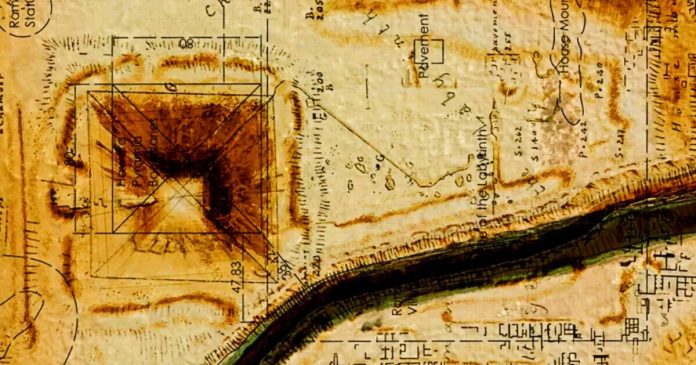
Official excavations have kicked off at the Hawara site in Faiyum Egypt. This, after decades of geophysical surveys, satellite scans, and quiet advocacy from researchers like the Mataha Foundation and Archaeological Rescue teams. The target? The legendary Labyrinth of Amenemhat III — that colossal temple complex Herodotus called greater than the pyramids themselves. This isn’t hype or another unverified scan claim. It’s the real deal: Egyptian antiquities authorities have mobilized a team to start digging where the massive structure once stood, right next to the crumbling pyramid of the 12th Dynasty pharaoh.
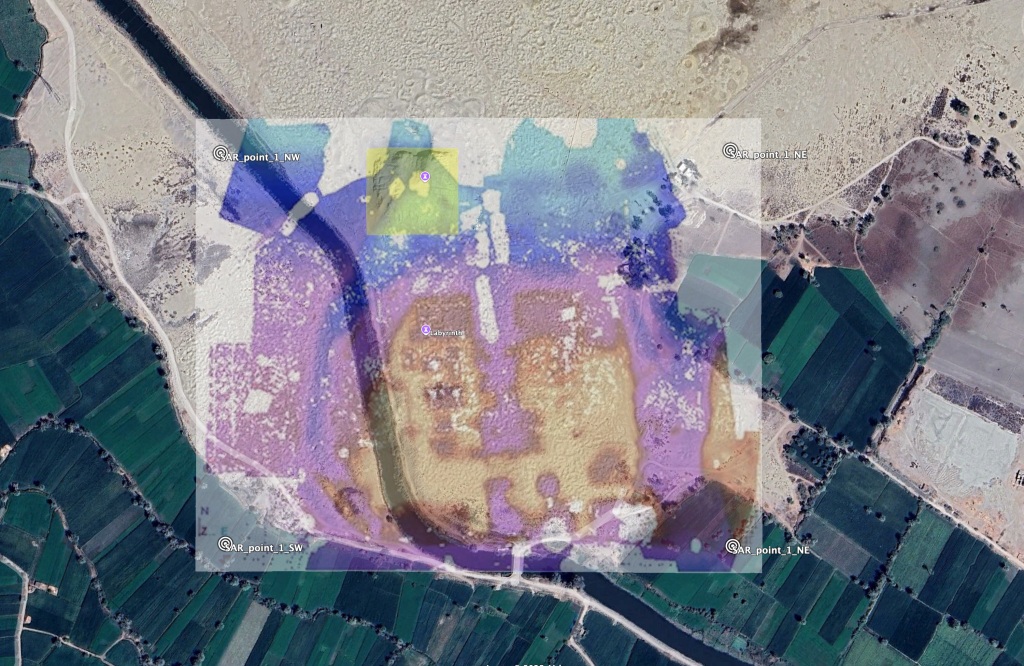
For those who’ve followed my earlier pieces here on AncientHistoryX, The Real Labyrinth Scans You Missed and Labyrinth of Hawara Revisited: The 2015 Satellite Scans this feels like the next chapter we’ve all been hoping for. Those overlooked SAR studies (Carlotto’s 2023 work, Merlin Burrows’ 2015 imagery, and the groundbreaking 2008 Mataha VLF-EM survey) painted a picture of buried rectangular chambers and thick walls south of the pyramid. Now, ground teams are finally moving dirt to see what’s really there.
The Official Announcement and What’s Happening Now
On May 7, 2026, Egypt’s Ministry of Tourism and Antiquities (through the Fayoum Antiquities Area) confirmed the launch of new fieldwork at Hawara. Ashraf Sobhi, Director General of Fayoum Antiquities, is overseeing the mission alongside a dedicated team of inspectors and archaeologists from the Supreme Council of Antiquities. The goal is straightforward but huge: locate and document any surviving remains of the Labyrinth, the enormous “Palace of the Labyrinth” that ancient writers described as having thousands of rooms, courts, and passages, half above ground, half below.
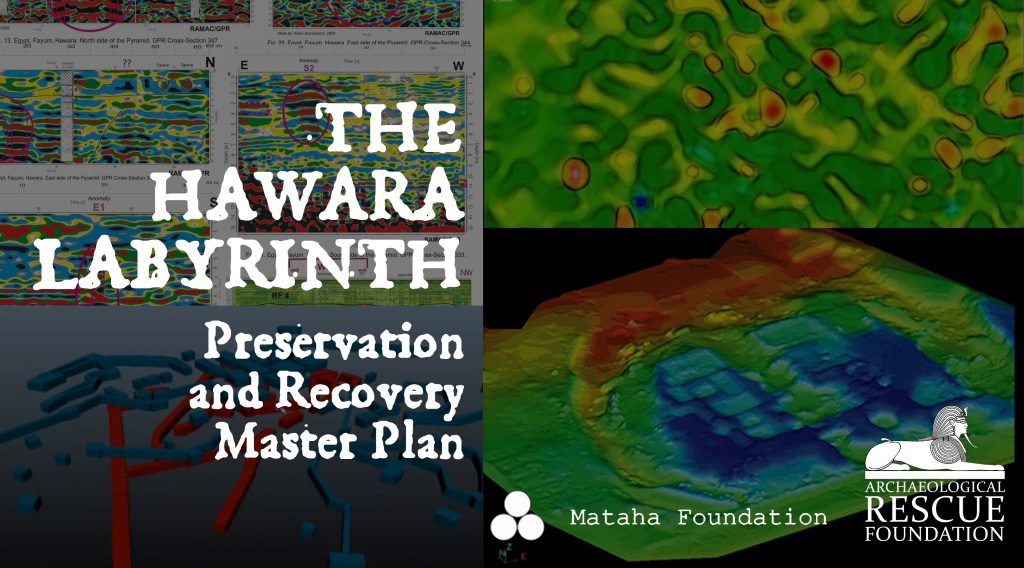
This dig builds directly on years of non-invasive work. The high-water table from the nearby Bahr Wahbi canal has always been the big obstacle (as noted in earlier Polish/Egyptian missions and groundwater studies). But recent planning by groups like the Mataha Foundation and Archaeological Rescue Foundation (including detailed master plans for preservation) helped push for official action. These include digging diversion canals and fauna planted to reduce water to a manageable level, that can be pumped from the site. Permission was granted earlier in 2026, and now the shovels are in the ground.
Tying It Back to the Scans We’ve Covered
Petrie’s 1888 survey mapped a foundation roughly 277,000 square feet big enough to match Herodotus’s awe-struck account. The 2008 Mataha Expedition’s very low frequency electromagnetic (VLF-EM) data picked up elongated and square-shaped anomalies south of the pyramid, suggesting rooms and walls across hectares. Then came the 2015 Merlin Burrows satellite work revealing layered structures, a central atrium, and even that symbolic “Omega moat” (or Shen ring-like boundary). Carlotto’s 2023 Sentinel-1 SAR study added more shallow rectangular features that line up perfectly with those earlier hints.
These weren’t wild speculations. They were careful, qualified science; sticking to what the tech could actually detect (shallow subsurface in dry desert soil). The new excavation is the logical next step: ground-truthing the anomalies before rising groundwater does more damage.
Why This Matters — And Why It’s Not Overhyped
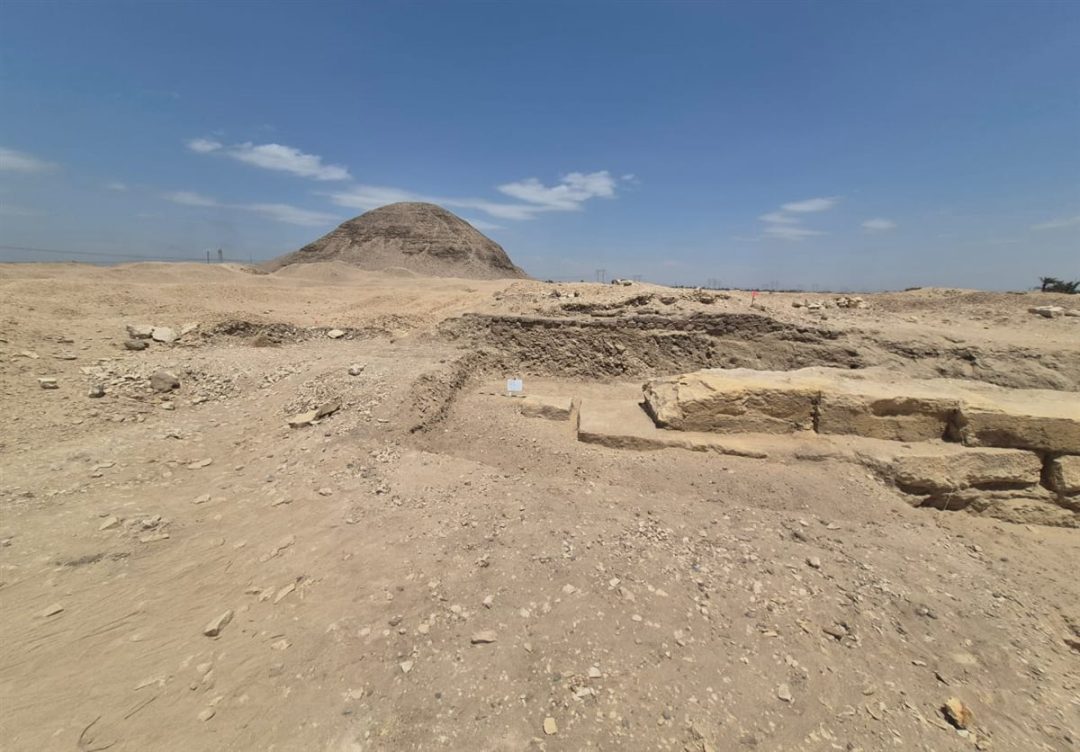
Mainstream archaeology has been cautious about Hawara for good reason. Past efforts (like Petrie’s and later missions) faced the same water issues and bureaucratic hurdles. But the 2026 dig shows real momentum, Egyptian-led, transparent, and focused on preservation alongside discovery. If they confirm even part of the Labyrinth’s layout, it could rewrite what we know about Middle Kingdom temple architecture and Amenemhat III’s vision. Proving Herodotus wasn’t exaggerating after all. The site today looks quiet, just the weathered mud-brick core of the pyramid rising from the sand, but beneath it lies potential proof of ancient genius that’s been hiding in plain sight.
Keep an eye on updates from the Egyptian Ministry and independent groups like Mataha. I’ll be watching too; and reporting back here as soon as more details or finds drop. The Labyrinth has been in a hidden realm of dreams, now It’s being woken up.
Come back to AncientHistoryX for the latest on this and other alternative research backed by science. Faiyum’s ancient secrets are finally getting the dig they deserve.
